Where to Buy the Best Wall Lights in China?
Where to Buy the Best Wall Lights in China? The answer depends on your project, budget, and quality checks. China offers several sourcing routes, from lighting showrooms and specialist retailers to manufacturers and verified online marketplaces. Zhongshan’s Guzhen lighting district is a well-known place to compare styles in person. You can inspect metal finishes, diffuser thickness, and how a fixture feels in your hand. Online sourcing may offer more choices, but photographs rarely show the full story.
Lighting procurement consultant Lin Wei puts one practical rule this way: “A good wall light should look right, fit the space, and perform reliably after installation.” Treat that as a buying principle, not a substitute for checking product details. Ask suppliers for clear specifications, including dimensions, material, light output, color temperature, color rendering, and driver information. Confirm which safety documents apply to your destination market, and request a sample when the order is substantial. Small details matter.
A brushed brass finish can look warm in a showroom and overly yellow at home. That is easy to miss. Compare samples under the room’s actual lighting, and clarify warranty terms, lead times, packaging, and replacement-part support in writing. Supplier claims deserve thoughtful questions, even when the catalog looks polished. This guide will compare where to shop, what to verify, and how to choose Wall Lights that suit both the room and the project’s practical needs. There is no perfect shortcut. A little caution can save a lot of rework.
Types of Wall Lights Available in China
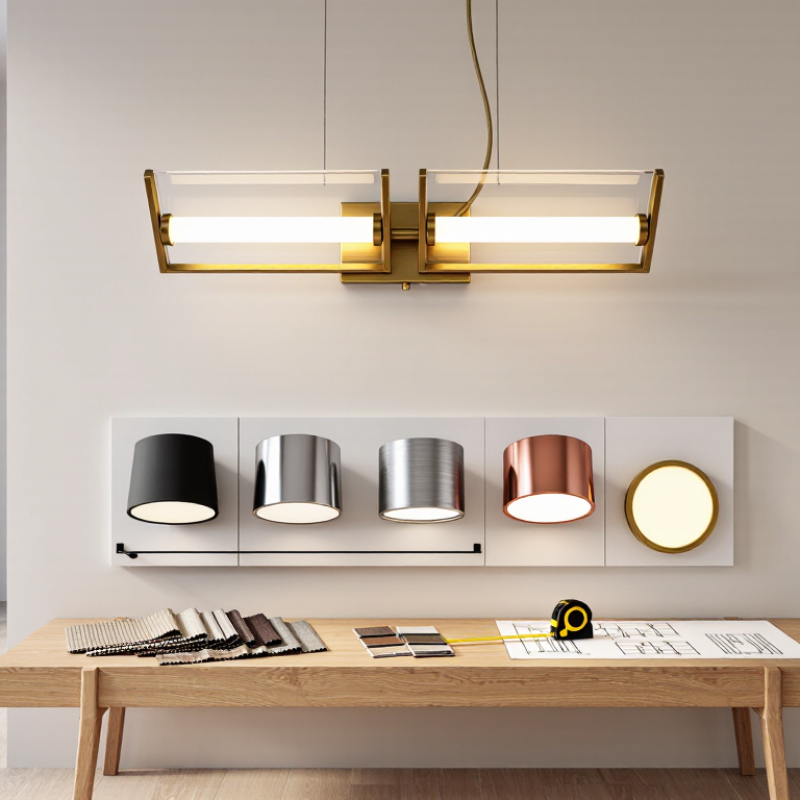
China offers several practical types of wall lights, from compact reading sconces to decorative fixtures for living rooms. Classic, but adaptable. Fabric-shade and frosted-glass sconces soften light beside a bed or sofa, while metal shades direct a brighter beam toward a desk or hallway. Adjustable swing-arm lights are useful where furniture sits close to the wall.
Up-and-down lights send beams toward both the floor and ceiling, creating clear patterns on plaster or brick. Picture lights use a narrow beam to illuminate framed artwork without lighting the entire room. For balconies and covered entrances, buyers can look for outdoor-rated wall fixtures with sealed housings and corrosion-resistant finishes. Integrated LED models are slim and efficient, though replacing a failed light source may be less straightforward than changing a bulb.
The categories can blur: a decorative sconce may provide too little light for reading. Check the fixture’s dimensions, bulb type, brightness, and installation requirements against the actual space. A warm light near a bedside table feels calmer, while a brighter neutral tone can help in a narrow corridor. I would still verify the wall material and wiring before choosing a heavy fixture; product photos rarely show those constraints.
Where to Buy the Best Wall Lights in China? - Types of Wall Lights Available in China
| Wall Light Type | Typical Features | Common Applications | Where to Buy in China | What to Check |
|---|---|---|---|---|
| Decorative indoor sconces | Available in metal, glass, ceramic, and other finishes; LED and replaceable-bulb versions are common. | Living rooms, bedrooms, hallways, and hospitality interiors. | Lighting wholesale markets, specialist lighting shops, online marketplaces, or lighting manufacturers and trading suppliers. | Confirm dimensions, mounting method, bulb base or integrated LED, and whether the light source is replaceable. |
| Adjustable reading lights | Directional heads or flexible arms; some models include a separate switch or USB charging port. | Beside beds, reading corners, and hotel headboards. | Lighting retailers, home-improvement stores, online marketplaces, and direct-from-manufacturer sales channels. | Check arm reach, beam direction, switch location, voltage compatibility, and whether a driver is included. |
| Bathroom wall lights | Often designed with diffusers and moisture-resistant construction; protection ratings vary by product. | Bathrooms and vanity areas, subject to local electrical-zone requirements. | Bathroom and lighting showrooms, home-improvement retailers, or verified online lighting sellers. | Check the stated IP rating and installation location. IP44 is commonly used for splash-resistant fittings, but suitability depends on the specific zone and local code. |
| Outdoor wall lights | May feature sealed housings, corrosion-resistant finishes, and downward, upward, or bidirectional light output. | Exterior walls, entrances, balconies, and covered patios. | Outdoor-lighting sections of lighting markets, building-material markets, specialist retailers, and manufacturer sales channels. | Check the IP rating for the exposure conditions, material suitability, installation instructions, and applicable electrical certifications. |
| Up-and-down wall lights | Direct light upward and downward; supplied in indoor and outdoor-rated versions. | Feature walls, corridors, building façades, and entrances. | Lighting wholesale districts, architectural-lighting suppliers, and online B2B or retail marketplaces. | Compare beam angle, light distribution, color temperature, dimming compatibility, and indoor or outdoor rating. |
| Picture lights | Slim fixtures with a projecting or adjustable head, designed to illuminate artwork or display surfaces. | Homes, galleries, hotels, and display areas. | Decorative-lighting shops, art-display suppliers, online marketplaces, and made-to-order lighting suppliers. | Match fixture length to the artwork, check glare control and color rendering, and confirm the mounting position. |
| Stair and step wall lights | Compact, often low-glare fittings; some models use sensors or low-voltage LED systems. | Staircases, corridors, and low-level circulation areas. | Architectural-lighting suppliers, electrical wholesalers, lighting markets, and online retailers. | Check recess or surface-mount requirements, wiring access, sensor settings, and glare at the intended installation height. |
Buying note: China has large lighting wholesale and manufacturing clusters, including Guzhen in Zhongshan, Guangdong. For bulk or custom orders, request product specifications, samples, warranty terms, and relevant test documents before placing an order.
Related Posts
-
2026 Top Outdoor Lights Types What Global Buyers Need to Know?
-
How to Choose the Best Track Lighting Systems for Your Space?
-
Navigating Tariff Challenges: How China’s Outdoor Light Fixtures Thrive Amidst Global Trade Tensions
-
Top 10 Track Lighting Manufacturers from China at the 137th Canton Fair
-
How to Choose the Best Track Lighting Systems for Your Space?
-
Understanding the Global Trends in Professional Landscape Lighting Solutions