How to Choose the Best Track Lighting Systems for Your Space?
Track Lighting Systems have become increasingly popular in modern interior design. According to the 2021 Lighting Industry Report, sales of track lighting have surged by 30% over the past two years. This trend highlights their versatility and ability to enhance various spaces. By allowing flexibility in light direction, track lighting can dramatically change a room's atmosphere.
Choosing the right system can be complicated. A wide array of styles, finishes, and bulb types exists. Homeowners often overlook the importance of established standards for energy efficiency and light output. It's crucial to consider the intended use of the space, as well as aesthetic preferences. The choices can feel overwhelming, and mistakes can lead to unsatisfactory results.
The right Track Lighting Systems should reflect both functionality and style. Investing time in understanding the various options pays off, as poorly chosen fixtures can disrupt the visual flow. A well-planned lighting scheme not only enhances the beauty of a space but also influences the mood. It is necessary to strike a balance between practicality and design, ensuring that the final selection illuminates effectively while still fitting the style of the room.
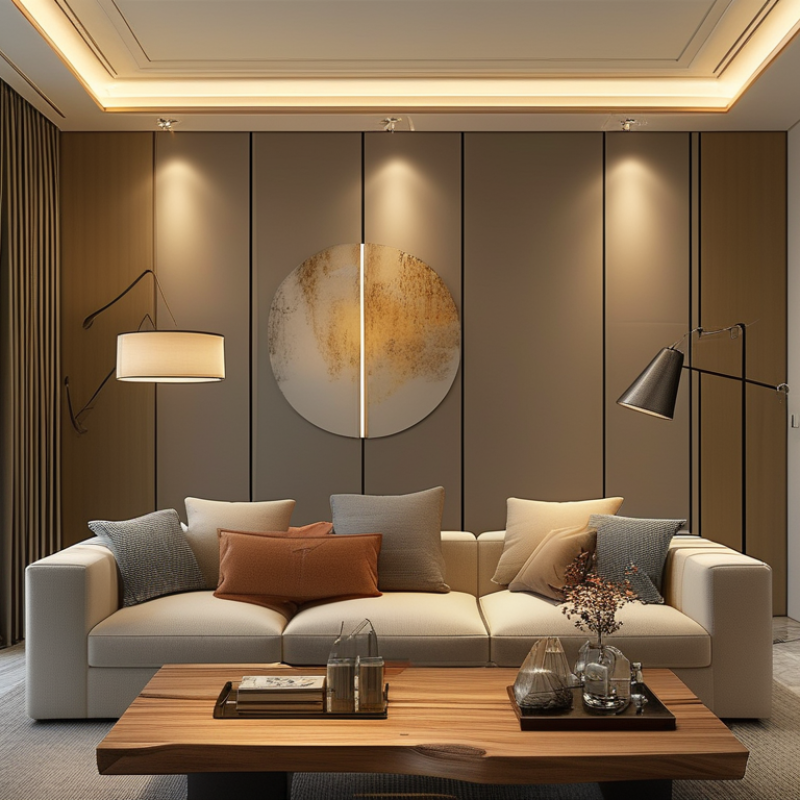
Understanding Track Lighting Types: A Comparative Analysis
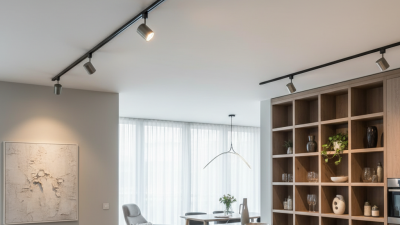
When it comes to track lighting, understanding the types available is crucial for making an informed choice. There are three primary types: adjustable, fixed, and monorail. Adjustable track lighting is versatile. It allows you to direct light toward specific areas, making it ideal for art galleries or accentuating architectural features. This flexibility is often appealing. However, it requires careful planning. Poor placement can lead to uneven lighting.
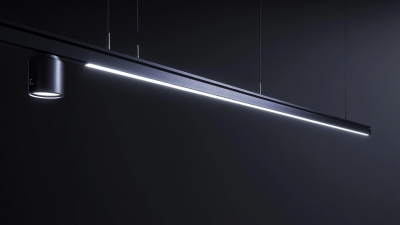
Fixed track lighting, on the other hand, provides a more streamlined look. Its design minimizes visual clutter, which can enhance minimalist spaces. Yet, the limitation lies in its inability to adjust direction after installation. This can be frustrating if your lighting needs change over time. Monorail tracks offer a blend of both worlds. They can be curved and customized, fitting unique spaces beautifully. However, they often demand more installation effort and expertise.
Consider the aesthetic of your space before choosing. Your lighting should enhance it, not overwhelm it. Each type has its strengths and weaknesses. Think about your requirements whether they are functional or artistic. Don’t overlook the installation process and long-term flexibility. This choice can impact your room's ambiance significantly. Balancing these factors can be challenging but essential for achieving the best results.
How to Choose the Best Track Lighting Systems for Your Space? - Understanding Track Lighting Types: A Comparative Analysis
| Track Lighting Type |
Installation Type |
Bulb Type |
Adjustability |
Best For |
| H Type |
Surface Mount |
LED, Halogen |
Highly Adjustable |
Art Galleries, Showrooms |
| J Type |
Ceiling Mounted |
Incandescent, CFL |
Moderately Adjustable |
Home Interiors, Retail Stores |
| L Type |
Suspended |
LED, Incandescent |
Less Adjustable |
Offices, Task Lighting |
| Flexible Track |
Customizable |
LED, Halogen |
Highly Adjustable |
Creative Spaces, Unique Layouts |
| Mini Track |
Surface Mount |
LED |
Fixed |
Small Spaces, Accent Lighting |
Key Factors to Consider When Selecting Track Lighting Systems
When selecting track lighting systems, several key factors can influence your decision. First, consider the layout of your space. A well-planned track system can highlight architectural features or artwork. According to a report from the American Lighting Association, about 70% of homeowners want flexible lighting solutions that fit different purposes. This gives track lighting a significant advantage due to its adjustable fixtures.
Another crucial aspect is the type of bulbs used in your track system. LED options dominate the market because they offer energy efficiency and longevity. Research shows LEDs can consume up to 75% less energy than incandescent bulbs. However, the initial cost can be higher. Make sure to balance long-term savings and upfront expenses.
Don't overlook the fixture style and finish. Variety is essential to match your interior décor. Many consumers find themselves dissatisfied after installation. They realize the design does not complement their existing furniture or wall colors. Before making a purchase, visualize how the track lighting will interact with your space. Customization can prevent costly mistakes down the line, leading to a more harmonious environment.
Track Lighting Systems: Key Factors to Consider
Evaluating Lumen Output: Finding the Right Brightness for Your Space
When it comes to evaluating lumen output for track lighting, achieving the right brightness is key. Lumen measures the total amount of visible light emitted. According to the U.S. Department of Energy, the average living room requires around 1,500 to 3,000 lumens for effective lighting. This can vary based on room size and color schemes. For instance, lighter walls may reflect more light, potentially reducing the number of lumens needed.
It's also important to consider the purpose of each area. For task lighting, such as in a kitchen or reading nook, aim for higher lumen levels. The Illuminating Engineering Society suggests 300 to 500 lumens per workspace for optimal visibility. Conversely, ambient lighting can typically range from 100 to 300 lumens per square meter. Adjusting the number of fixtures can help reach these levels. However, too much brightness can cause glare, leading to discomfort.
Lastly, it's crucial to remember that lumen output is not the sole factor in lighting decisions. The quality of light, color temperature, and fixture spacing also play vital roles. Reflecting on your space and its needs can ensure that your lighting remains functional yet inviting. This process takes thoughtful consideration and a willingness to adjust as needed.
Installation Practices: Ensuring Safety and Aesthetics in Track Lighting
When installing track lighting, safety and aesthetics are paramount. According to a report by the National Electrical Contractors Association (NECA), improper installation can lead to electrical hazards in 30% of cases. Ensuring that track lighting is installed correctly prevents short circuits and potential fires. Using a qualified electrician can significantly reduce these risks. It is essential to follow local building codes and safety standards.
Aesthetic considerations play a vital role. A well-installed track lighting system enhances the architectural features of a space. A survey by the American Society of Interior Designers (ASID) revealed that 40% of homeowners prefer adjustable lighting to highlight specific areas. Using dimmers can optimize lighting levels, creating an inviting atmosphere. This flexibility can address the common mistake of over-illuminating a space, which often leads to an unwelcoming environment.
Consider the layout carefully. Visual balance is crucial. The positioning of track lights should complement the room's design elements. Many installations overlook the importance of spacing, leading to uneven illumination. A guideline suggests a distance of 2 to 3 feet between each light fixture for optimal coverage. Reflecting on these installation practices can elevate the overall effectiveness of your track lighting system.
Trends and Innovations in Track Lighting: What to Look For in 2023
When selecting track lighting systems in 2023, it's crucial to be aware of current trends and innovations. One major trend is the rise of smart lighting technology. These systems allow users to control the intensity and color of the lights through apps or voice commands. This not only enhances convenience but also boosts energy efficiency.
Another notable innovation is the use of eco-friendly materials and energy-efficient LED lights. More designers are prioritizing sustainability without compromising on style. Choosing fixtures made from recycled materials can add an element of sophistication while reducing your carbon footprint.
Pay attention to the versatility of track lighting. Modular systems allow you to customize the layout to fit any space. Adjustable heads can help direct light exactly where you need it. Consider the overall aesthetics of your room too. A well-chosen track light can become a statement piece, blending functionality with design.
Finding the right lighting is often a process of trial and error. Don’t hesitate to experiment with different configurations in your space. Assess how lighting changes the mood throughout the day. Keep your personal style in mind, and remember that mixing different textures can create visual interest.