10 Best LED Light Bulbs for 2026
The best LED light bulbs do more than reduce energy use. They shape how a kitchen looks at breakfast, how clearly you read at night, and whether a living room feels warm or stark. In 2026, shoppers face a crowded market. Bulbs vary in brightness, color temperature, color accuracy, dimmer compatibility, and smart features. A familiar label can still hide meaningful differences.
Lighting researcher Dr. Mariana Figueiro’s work explores how light exposure can affect sleep and human wellbeing. A practical takeaway from her research is that light’s timing and quality matter, not brightness alone. That perspective helps put bulb specifications into context. A cool, bright bulb may suit a workbench, while a warmer one may feel better beside a sofa. Yet personal preference matters, and no single bulb fits every room.
This guide to 10 Best LED Light Bulbs for 2026 compares options using details buyers can check: measured brightness, color temperature, energy use, dimming performance, and stated lifespan. We also consider everyday factors, such as whether a bulb flickers on a dimmer or makes food colors look dull. Small things count.
Specifications do not tell the whole story. Actual performance can vary by fixture, switch, and home. That deserves a little skepticism. The goal is not to crown one universal winner, but to help you choose Led Light Bulbs that suit your space, budget, and habits.
How LED Light Bulbs Work and Which Features Matter
LED bulbs produce light when electric current passes through semiconductor materials. A small driver inside the bulb regulates that current from household power. The driver and LED chips both create heat, so a bulb’s design affects performance. Heat has to escape. A crowded, enclosed ceiling fixture can shorten a bulb’s life if the packaging does not allow for it.
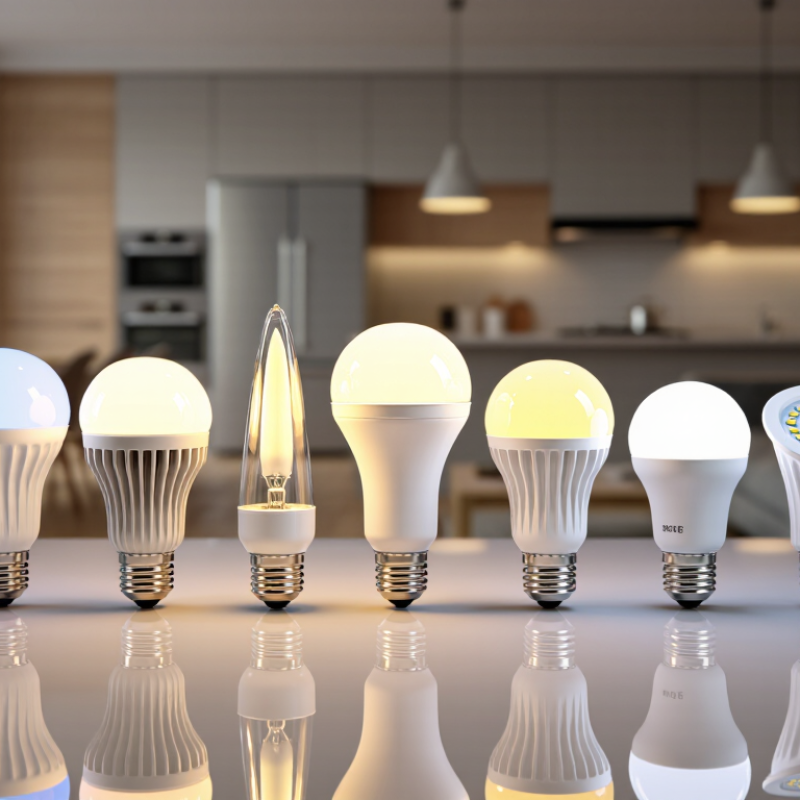
When comparing bulbs, check lumens rather than watts to judge brightness. For a bedside lamp, around 450 lumens may feel comfortable; a kitchen work area often needs more. Color temperature changes the mood: 2700K looks warm and soft, while 4000K appears cooler. Look for a color rendering index of 90 or higher when accurate colors matter, such as near a mirror or art. Dimming needs attention. Some LED bulbs flicker or buzz with incompatible dimmers, even when both products seem suitable.
A rated lifespan is an estimate, not a promise; heat, switching habits, and electrical conditions can affect it. Energy-use labels and independent test results can help confirm performance, though they may not reveal how a bulb behaves in every fixture. I used to focus on brightness alone. That misses comfort, color, and fit. Check the bulb’s shape and base, then compare its light in the room where it will actually be used.
Key Factors for Choosing an LED Bulb in 2026
Choosing an LED bulb starts with brightness, not wattage. Compare lumens with the bulb you are replacing; a typical 800-lumen bulb suits many everyday lamps. For a reading desk, you may prefer more light, while a bedside lamp often feels better with less. Check the fixture’s maximum wattage, too, even though LEDs use less power.
Color temperature shapes how a room feels. A 2700K bulb gives off a warm, yellowish glow, while 4000K looks more neutral and can suit kitchens or work areas. Look for a color rendering index (CRI) of 90 or higher when accurate colors matter, such as beside a mirror or over a craft table. Small differences show.
Fit can be surprisingly easy to overlook. Match the bulb’s base and shape to the socket and shade, and check whether it is rated for enclosed fixtures if it will sit inside a glass dome. Dimmers need attention as well: not every LED works smoothly with every dimmer. Some may flicker or fail to dim fully. I would check the bulb’s packaging and dimmer compatibility before buying; I still find wattage easier to compare, but it tells less about the light you will actually see.
10 Best LED Light Bulbs for 2026: Choose by Light Output
Compare bulbs by lumens, not watts: lumens measure brightness, while watts measure energy use. These approximate light-output targets correspond to common incandescent bulb equivalents. Also check color temperature, CRI, dimmer compatibility, and fixture requirements before choosing an LED bulb.
The 10 Best LED Light Bulbs for Different Needs
Choosing the best LED bulb depends on the room, fixture, and task—not simply brightness. The U.S. Department of Energy reports that LEDs use at least 75% less energy and can last up to 25 times longer than incandescent bulbs. Those figures describe broad comparisons, not a guarantee for every bulb or household.
For everyday rooms, consider a general-purpose bulb; for bedrooms, a warm-glow option; and for desks, a daylight-style bulb. Dimmable models suit living rooms, but check that the bulb matches the dimmer. No pairing is perfect. Enclosed-fixture-rated bulbs help in covered fittings, while damp-location-rated choices suit humid areas. High-CRI bulbs render colors more faithfully, useful near wardrobes or craft tables. High-output bulbs help illuminate larger spaces. Smart-compatible bulbs offer app or voice controls, while low-wattage replacements can reduce energy use without sacrificing needed light.
Compare lumens for brightness and color temperature for the room’s feel. A 2,700-kelvin bulb looks warmer than a 5,000-kelvin bulb, which appears cooler. Check the packaging for fixture and dimmer compatibility, and review independent efficiency certifications. The Department of Energy’s savings figures are useful context, but actual results depend on usage and electricity rates. I would still test one bulb before replacing every fixture.
Comparing Brightness, Color, Efficiency, and Smart Features
Choosing an LED bulb means looking beyond the wattage printed on the package. Lumens indicate brightness more reliably: around 800 lumens often suits a bedside lamp, while a larger kitchen may need several brighter bulbs. Check the beam shape, too. A frosted bulb spreads light softly; a clear one can create sharper shadows. Color temperature changes the room’s feel. Warm white, near 2700 kelvin, is usually comfortable in bedrooms, while cooler light can make work surfaces feel more alert. Still, labels do not capture every room accurately. Paint, lampshades, and daylight all affect the result.
Efficiency is worth comparing, but use the stated lumens per watt rather than assuming every LED saves the same amount. A high color-rendering score can help food and fabric look more natural. Dimmable bulbs need compatible dimmers; otherwise, they may flicker or fail to dim smoothly. Smart features can add scheduling, voice control, and adjustable color, but they also bring setup steps and possible app dependence. Small differences matter. Before buying, check whether the bulb fits the fixture and whether its smart functions work without a hub. I would not pay extra for features that would rarely be used. The “best” choice depends on the room, routine, and tolerance for tinkering.
How to Match LED Bulbs to Fixtures and Rooms
10 Best LED Light Bulbs for 2026
Choosing an LED bulb starts with the fixture, not the room’s style. Check the socket size and bulb shape on the old lamp or fixture label. A narrow shade may not fit a wide bulb, while a recessed can needs a bulb suited to its trim. Small detail, big difference. Also check whether the fixture is enclosed; trapped heat can shorten the life of bulbs not designed for enclosed fixtures.
Match brightness by lumens, not watts. A bedside lamp often feels calmer with 400–800 lumens. Kitchens and work areas may need more, especially when you are chopping food or reading small print. The right level also depends on the shade, wall color, and task. Warm white can make bedrooms feel restful, while neutral or cooler white can reveal more detail in a kitchen. These are useful starting points, not rigid rules.
Dimmers need compatible LED bulbs. An older dimmer may cause flickering or limit how low the light can go, so check the bulb and fixture instructions before buying. For recessed lighting, beam angle matters: a focused beam can highlight a countertop, while a wider beam spreads light through a hallway. Try one bulb before replacing every lamp. It takes an extra trip, but can prevent a room from feeling harsher or dimmer than expected.