
Why Choose Automatic Cigarette Machines for Your Business?
Choosing an Automatic Cigarette machine is a significant operational decision for any legally authorized manufacturer. The right equipment may improve consistency, manage production speed, and reduce repetitive manual tasks. But a machine is not a shortcut to a successful business. Capacity, product specifications, workforce training, and local regulatory requirements all shape whether an investment makes sense.
Before comparing suppliers, define what your facility actually needs. Review the machine’s rated output, adjustment range, changeover time, and maintenance requirements. Ask for clear documentation on guarding, emergency stops, dust control, and operator training. These details matter. Request a demonstration when possible, and check whether service support and replacement parts are available where your business operates. A low purchase price can become expensive if repairs take weeks.
Reliable decisions also depend on evidence, not attractive promises. Compare specifications using the same criteria, confirm performance claims with written records, and consult qualified technical and compliance professionals. Requirements differ by location and may change, so verify them with appropriate authorities before purchasing or operating equipment. Not every production line needs the fastest machine. A smaller system may be easier to maintain, while a larger one could bring higher staffing, space, and service demands. The trade-offs deserve honest attention. This guide explores the practical questions behind machine selection, from output and safety to support and total operating costs. No single model suits every facility, and careful evaluation is worth the extra time.
Understanding Automatic Cigarette Machines and Their Core Functions
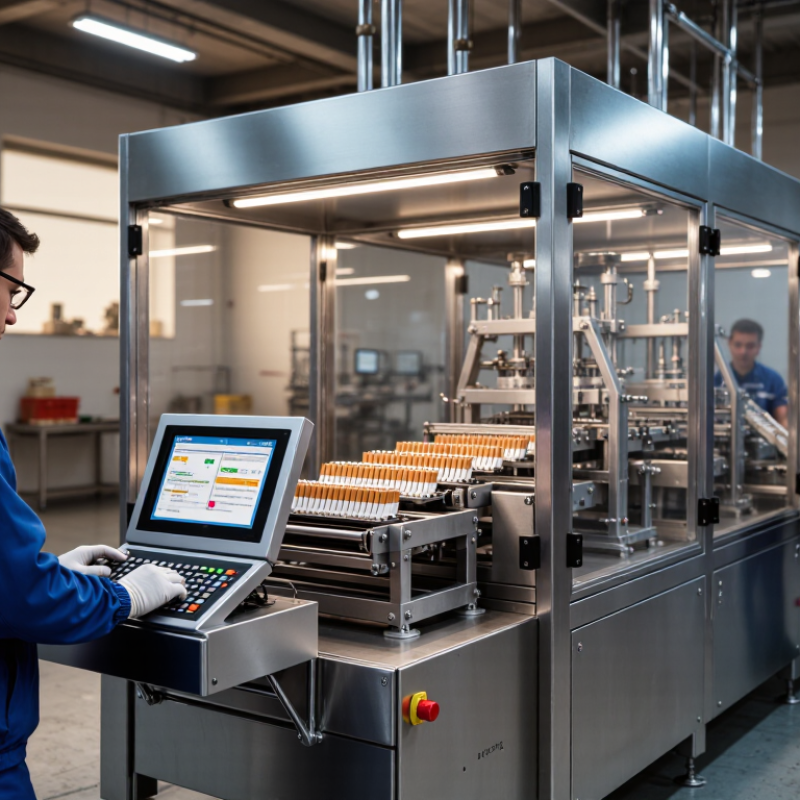
Automatic cigarette machines coordinate several linked tasks: material feeding, paper forming, rod cutting, and basic inspection. A controlled feed system helps maintain a steady flow, while sensors can detect jams or interruptions. Finished rods are counted and transferred for later packaging. Small changes matter.
Operators still need to monitor the machine. Uneven feeding, worn parts, or dust can cause inconsistent output and unplanned stops. Routine cleaning, scheduled maintenance, and clear operating records help identify patterns before they become costly problems. In practice, a machine may run smoothly for hours, then pause over one minor blockage. Automation reduces repetitive handling, but it does not remove the need for trained staff.
Core functions vary by configuration, so buyers should compare throughput claims with actual operating conditions. Ask how the equipment handles changeovers, rejects, safety guarding, and maintenance access. Check whether inspection systems can flag visible defects, and confirm what data they record. A fast line is not automatically a reliable one. Tobacco manufacturing is subject to strict local requirements; businesses should verify applicable rules, worker protections, and product controls before installation. Even good systems have limits.

How Automation Shapes Cigarette Production Workflows
Automatic cigarette machines connect feeding, forming, cutting, inspection, and packing into a more consistent workflow. Operators can monitor speed, material flow, and stoppages from a control panel instead of adjusting every stage by hand. That can reduce routine handling. It does not remove the need for skilled oversight. A poorly calibrated sensor can still interrupt a line or pass a defect downstream.
The International Federation of Robotics reported 4,281,585 industrial robots operating in factories worldwide in 2023, a 10% rise from 2022 (World Robotics 2024). This figure covers manufacturing broadly, not cigarette production specifically, but it shows how widely automated equipment is being adopted. On a production floor, linked machines can record output and flag irregular pressure or temperature. Useful, though not magic. Data logs also help teams trace where delays begin and compare shifts using the same measures.
Tips: Before investing, map each handoff between machines and identify where jams occur. Check cleaning access, spare-part availability, and operator training needs. Run a small trial with real production conditions; a smooth demonstration does not guarantee a smooth week on the floor. Automation can improve repeatability, but maintenance still matters.
Why Choose Automatic Cigarette Machines?
Counting and packing workflow: For an illustrative 20-cigarette pack format, automated counting and packing can process consistent batch quantities. The chart shows the arithmetic conversion, not a machine-speed specification.
Comparing Production Capacity, Labor Needs, and Operating Efficiency
Choosing an automatic cigarette machine is not simply about selecting the highest advertised output. Rated capacity describes ideal conditions, while real production depends on material feeding, changeovers, and unplanned stops. A useful comparison is the number of acceptable units produced during a full shift. Watch how the line handles routine pauses. Small delays add up.
Labor needs vary with automation level. One operator may monitor feeding and controls, while another handles quality checks, packaging, or replenishment. Some tasks remain hands-on. During a site visit, note how often staff clear jams, adjust settings, or move supplies. Ask whether training and maintenance skills are available on every shift. A machine that runs quickly but needs constant intervention may not reduce labor costs as expected.
Operating efficiency also includes setup time, cleaning, energy use, and access to replacement parts. Compare these factors across a typical production week, not just during a demonstration. Track stoppages and waste for several shifts. Keep the records simple. Real operating data can reveal whether added capacity fits your staffing, floor space, and maintenance schedule. Even careful estimates can miss a recurring bottleneck, so leave room to revise the plan after installation.
Assessing Equipment Costs, Maintenance, and Regulatory Requirements
Choosing an automatic cigarette machine is a capital decision, not just a speed upgrade. Compare the purchase price with installation, operator training, electrical work, and any required ventilation or safety controls. Ask for a written specification covering hourly output, changeover time, power use, and compatible materials. Check performance claims with a demonstration using a setup similar to yours. One fast cycle is not the whole story.
Maintenance affects the real cost. Request a schedule for cleaning, lubrication, wear-part replacement, and calibration. Then price the parts and service visits. Keep a log of stoppages and rejected units; recurring faults can outweigh a small difference in purchase price. Before buying, confirm local requirements for manufacturing, labeling, worker safety, excise duties, and recordkeeping. Rules vary by jurisdiction and product type, so consult relevant authorities or qualified counsel. A supplier’s checklist may not cover everything.
Tips: Budget for spare parts and planned downtime. Inspect machine guards, emergency stops, and dust control during a demonstration. Ask who handles repairs and how quickly. If your forecast only works at maximum speed, revisit it. Changeovers and maintenance will reduce output, and first-year costs are easy to underestimate.
| Assessment Area | Manual or Small-Scale Setup | Semi-Automatic Equipment | Automatic Production Line | Business Consideration |
|---|---|---|---|---|
| Indicative equipment budget (USD) | $1,000–$10,000 for basic, low-capacity equipment | $10,000–$100,000 for equipment with selected automated steps | $100,000–$1,000,000+ for integrated, higher-capacity systems | Broad planning estimates only. Actual prices depend on capacity, configuration, condition, installation, shipping, and supplier quotations. |
| Typical production approach | Operators perform most material handling and production steps. | Some steps are mechanized while operators load, monitor, or transfer materials. | Multiple production steps may be linked and controlled through automated systems. | Compare verified rated output and expected usable output; changeovers, downtime, and staffing affect actual production. |
| Staffing and training | More hands-on labor per unit; training is generally focused on safe operation and consistent procedures. | Operators need both process training and equipment-specific instruction. | May reduce routine manual handling but requires trained operators and access to technical support. | Automation does not eliminate staffing needs for quality checks, cleaning, maintenance, and compliance records. |
| Maintenance planning | Routine cleaning, inspection, and replacement of worn parts are still necessary. | Plan for scheduled servicing of mechanical and electrical components. | Plan for preventive maintenance, spare parts, troubleshooting, and possible specialist service. | Request a written maintenance schedule, parts list, warranty terms, and service-response details before purchase. |
| Additional setup costs | Work area, storage, safety measures, and basic tools. | May include electrical work, material handling, installation, and operator training. | May include facility preparation, installation, commissioning, utilities, and integration with other equipment. | Equipment price alone is not the total investment. Obtain itemized quotes covering delivery, installation, and commissioning. |
| Quality and downtime controls | Consistency depends heavily on operator procedures and inspection. | Mechanical assistance can improve repeatability, subject to setup and checks. | Automated monitoring may support consistent operation, but settings and finished output still require verification. | Evaluate quality-control procedures, reject handling, changeover time, and expected downtime—not just rated speed. |
| Regulatory requirements | Requirements depend on the country and the products manufactured. In the United States, tobacco-product manufacturers may need to address FDA establishment registration and product-listing obligations, applicable premarket requirements, labeling rules, and other federal obligations. Federal tobacco excise-tax requirements and permits may also apply through the Alcohol and Tobacco Tax and Trade Bureau (TTB). | Confirm current federal, state, and local requirements with the relevant authorities and qualified legal or tax advisers before production or sale. | ||
| Best fit | Small-scale operations prioritizing lower initial equipment expenditure and accepting more manual work. | Businesses seeking a middle ground between manual processes and higher capital investment. | Businesses with sufficient demand, space, trained personnel, and capital to support an automated operation. | Choose equipment based on verified demand, total cost of ownership, compliance readiness, and service availability. |
| Note: Cost ranges are indicative planning estimates, not current supplier quotations or guaranteed market prices. Regulatory information is a general U.S. overview, not legal advice; requirements can change and vary by product and jurisdiction. | ||||
Matching Machine Features to Your Business Scale and Goals
Choosing an automatic cigarette machine starts with the work your business actually needs. A small operation may value a compact footprint, simple controls, and quick changeovers more than maximum hourly output. Larger facilities may need steady capacity, clear fault alerts, and easy access for routine cleaning. Match the machine to realistic demand, not an optimistic sales forecast. Space matters.
Check how operators load materials, monitor production, and respond to stoppages. A readable control panel and accessible safety guards can reduce avoidable delays. Ask suppliers for documented output under stated conditions, plus details on maintenance intervals, training, spare parts, and warranty coverage. A headline speed figure alone tells little about performance during a full shift. I would not rely on it.
Compare the total operating requirements with your budget and staffing plan. Consider power needs, installation, service access, and the time required for cleaning and checks. If production changes by season, ask whether settings and capacity can adapt without complicated reconfiguration. Even a careful estimate can be wrong; leave room for lower-than-expected demand or unexpected downtime. Confirm that equipment, materials, and workplace procedures meet applicable local requirements before purchase.
