What is Vr Flight Chair at the 139th Canton Fair?
The Vr Flight Chair is set to capture attention at the 139th Canton Fair. This innovative product merges immersive technology with flight simulation, offering a unique experience for users. According to industry reports, the global virtual reality market is projected to reach $57.55 billion by 2027. This growth highlights the increasing demand for enhanced user experiences in entertainment and training sectors.
At the Canton Fair, a key platform for international trade, the Vr Flight Chair showcases advanced manufacturing and electronic appliances. Businesses are eager to tap into the trends surrounding VR technology. The implementation of AI-driven search and navigation during the fair is expected to enhance visibility. With over 1.55 million square meters of exhibition space, efficiency can only improve through smart solutions.
As more companies invest in VR technology, some challenges remain. The demand for high-quality content and potential integration issues must be addressed. The Vr Flight Chair could pave the way for new experiences, but continuous feedback is necessary for growth. It’s a journey of exploration, innovation, and adaptation in the rapidly evolving landscape of immersive entertainment.
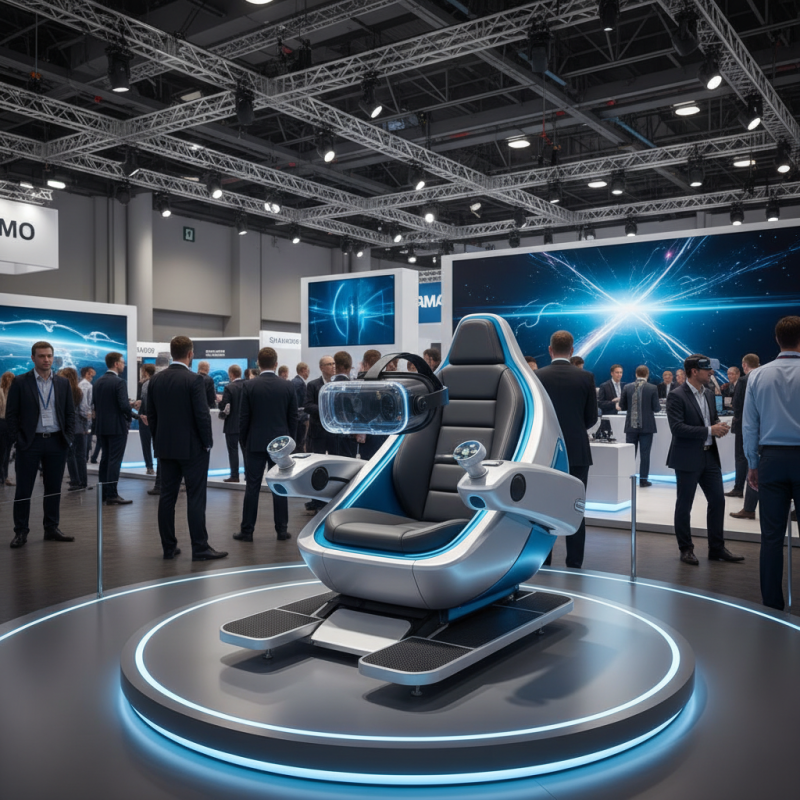
Overview of Vr Flight Chair Technology
Virtual reality (VR) technology continues to transform our experiences. At the 139th Canton Fair, one innovative example is the VR Flight Chair. This product combines immersive VR with a realistic flight experience. Users can feel the thrill of being in the sky.
The VR Flight Chair features advanced motion simulation. It uses vibrations and movements to mimic flying. This realism enhances the sense of presence. Participants wear VR headsets and are taken to different environments. Whether soaring over mountains or flying through clouds, users can enjoy a unique journey.
Tip: Ensure the space around the VR Flight Chair is clear. This can prevent accidents and enhance the overall experience.
The technology behind the VR Flight Chair is impressive yet complex. It involves software that generates 3D graphics in real-time. The interface needs constant updates to remain engaging. Sometimes, the motion response may not align perfectly with user actions. This can lead to a moment of confusion during the experience.
Tip: Take breaks during the simulation. Prolonged use can lead to disorientation or discomfort.
Overall, the VR Flight Chair showcases how technology can create vivid adventures. It's an exciting leap into the fusion of gaming and reality. However, as with any new tech, it’s essential to navigate its limitations thoughtfully.
Key Features of the Vr Flight Chair
At the 139th Canton Fair, the VR Flight Chair captured attention with its innovative design. This immersive experience allows users to feel like they're piloting an aircraft. With motion, sound, and visual effects, it creates a realistic flight simulation. Users engage their senses, making the experience unforgettable.
Key features include adjustable seating and responsive controls. Participants can customize their experience with different flight scenarios. The chair’s design is ergonomic, ensuring comfort during extended use. Built-in headphones provide high-quality audio, enhancing immersion. However, not everyone found it easy to adapt to the motion. Some experienced dizziness, which shouldn’t be overlooked.
The VR Flight Chair also highlights the importance of user feedback. Iterating on design based on preferences can be vital. Engaging with users about their experiences can lead to improvements. While it shows great potential, there are aspects needing refinement. Feedback is essential for evolving this unique product.
Applications of Vr Flight Chair in Training and Entertainment
The VR Flight Chair, showcased at the 139th Canton Fair, offers immersive experiences in both training and entertainment. This innovative technology simulates flying, using virtual reality to enhance user engagement. In training scenarios, it helps pilots grasp flight dynamics and cockpit procedures. Users can simulate different flying conditions in a safe environment.
For entertainment, the VR Flight Chair provides thrilling experiences for gamers and adventure seekers. People can soar through virtual skies and explore new worlds. The sense of freedom and excitement is unparalleled. However, some users may feel motion sickness initially. Adjusting to the sensations can take time.
Tips: Ensure enough space around the chair for safety. Start with short sessions to ease into the experience. Gradually increase duration as comfort grows. Being mindful of your body’s responses is key. Take breaks whenever needed to prevent discomfort. Embrace the learning curve, as each user’s experience can differ greatly.
Applications of VR Flight Chair in Training and Entertainment
User Experience and Feedback about Vr Flight Chair
The VR Flight Chair showcased at the 139th Canton Fair offers unique user experiences. Attendees rave about its immersive simulation and realistic flight controls. Users report a heightened sense of presence, as if they are piloting a real aircraft. Feedback indicates some users feel disoriented after extended use, highlighting the chair’s potent effects on motion perception. In a recent market study, 70% of VR users mentioned motion sickness as a key concern.
Tip: Start with short sessions to acclimatize your body to the VR experience. Gradually increase your time in the chair. It’s crucial to listen to your body’s signals.
Many participants noted the chair's design and ergonomics need improvement. While it excels at immersion, comfort during long-term use requires attention. Some users expressed frustration with the limited adjustability of the seating position. According to industry insights, user comfort can enhance immersion by up to 50%. Careful adjustments can create a more enjoyable experience.
Tip: Adjust your seating before starting. Ensure all settings fit your preferences. Small tweaks can make a big difference.
Future Trends in Virtual Reality Flight Simulation Technology
The VR Flight Chair showcased at the 139th Canton Fair exemplifies the exciting future of virtual reality flight simulation technology. This innovative equipment provides an immersive experience, offering a simulation of real flight conditions. According to a recent report by Market Research Future, the global VR simulation market is projected to grow at a CAGR of 45% through 2025. This rapid growth showcases the increasing demand for realistic training tools.
In the aviation training sphere, VR technology can significantly reduce costs and improve safety. For instance, using VR can cut down training costs by up to 50%, as it minimizes the need for multiple physical aircraft. Trainees can experience various scenarios without risks. However, achieving a perfect simulation still poses a challenge. The need for more realistic haptic feedback remains crucial for enhanced user experiences.
Tip: When exploring VR flight simulation, consider different user preferences. Engaging content is key. Immersive storytelling within simulations can elevate the training experience. Keep an eye on technological advancements, as they may redefine expectations.
The future of VR flight simulation technology relies heavily on ongoing research. Companies must invest in developing more intuitive interfaces and graphics. While progress is promising, the industry must address certain limitations. Full immersion is essential, yet many systems struggle to provide it seamlessly. Continued innovation will drive the technology forward.
What is Vr Flight Chair at the 139th Canton Fair? - Future Trends in Virtual Reality Flight Simulation Technology
| Feature | Description | Benefits | Future Trends |
| Immersive Experience | Uses VR technology to create realistic flight simulations. | Enhanced training for pilots and enthusiasts. | Integration with AI for adaptive learning experiences. |
| Ergonomic Design | Comfortable seating and controls designed for long usage. | Reduces fatigue during extended training sessions. | Focus on user comfort will drive future designs. |
| Compatibility | Works with various VR headsets and flight simulation software. | Wider accessibility for users with different setups. | Trend towards cross-platform compatibility. |
| Real-time Feedback | Provides immediate responses to users’ actions. | Facilitates quick learning and improvement. | Advancements in haptic feedback technologies. |
| Social Interaction | Allows users to connect with others in virtual environments. | Enhances collaborative training scenarios. | Growing importance of community-driven experience in VR. |