Top Tips for Choosing the Best Elastic RFID Wristband?
Choosing the best elastic rfid wristband can significantly impact event management and access control. According to industry expert Sarah Jenkins, "A well-chosen wristband enhances security and experience." Her insights highlight the importance of selecting the right product tailored to your needs.
When considering an elastic RFID wristband, think about the durability, design, and comfort. A well-designed wristband should fit snugly but not restrict movement. Many options on the market often miss the mark on these factors, leading to discomfort during events. Analyze the intended use; different occasions require different types.
It's essential to balance quality and budget. Some wristbands are cheap but may not perform reliably. Inconsistent performance can lead to issues, such as lost access or mismanagement at events. Trust reputable brands, but don't overpay for unnecessary features. Ultimately, aim for a wristband that provides both security and comfort. The right choice can create a seamless experience for both organizers and attendees.
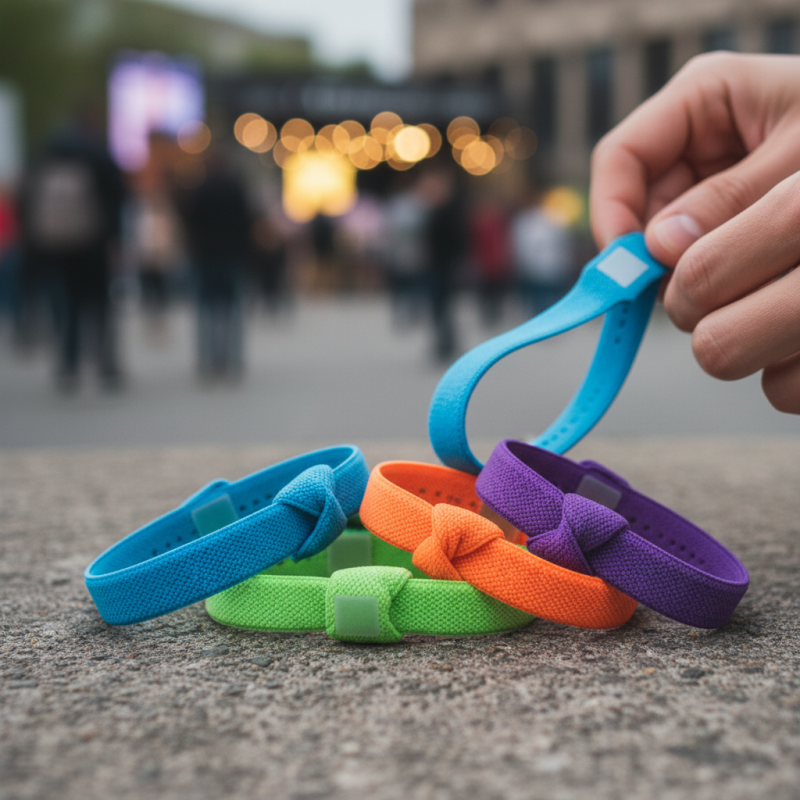
Understanding the Importance of Elastic RFID Wristbands in Event Management
In the realm of event management, elastic RFID wristbands have become increasingly vital. These wristbands streamline attendee check-ins and enhance security measures. According to an industry report, the global RFID market is projected to reach $26.8 billion by 2025, reflecting a significant demand for efficient tracking solutions. As events grow larger, effective management tools like these wristbands become indispensable.
The convenience offered by elastic RFID wristbands is unmatched. They can be designed to fit various wrist sizes, ensuring comfort for all attendees. Moreover, the wristbands can hold critical data, such as access privileges and payment information. A recent survey indicated that 70% of event organizers found RFID technology improved their operational efficiency. However, issues can arise with wear and tear over time, leading to potential data loss or functionality problems.
Choosing the right elastic RFID wristband requires careful consideration. Factors such as material durability and data security should guide decision-making. While some organizers may rush to implement new technologies, it's essential to evaluate the specific needs of the event. Reflecting on past experiences can lead to better choices in future events, ensuring smooth operation and enhancing the guest experience.
Key Features to Look for in High-Quality Elastic RFID Wristbands
When selecting the best elastic RFID wristbands, it's essential to focus on key features that ensure quality and reliability. First, consider the material. High-quality wristbands are often made from durable elastic materials that can withstand regular wear, making them suitable for events and activities. Look for bands that offer comfort without sacrificing strength. A well-designed wristband should not irritate the skin, facilitating long-term use.
Another crucial feature is the RFID chip's reliability. Choose wristbands with secure chip integration. This prevents accidental damage or disconnection. Check that the RFID technology is compatible with your desired system. It’s also wise to pay attention to design. Many users prefer wristbands that come in vibrant colors or personalized options. This adds a touch of fun and can enhance visibility at large events.
Additionally, think about the sizing options available. Elastic bands should fit a range of wrist sizes comfortably. Some wristbands may be adjustable, catering to various users. Reflect on your specific needs and environments. Choosing the right features can be daunting but essential for an effective solution. An informed choice means considering all these aspects carefully.
Top Tips for Choosing the Best Elastic RFID Wristband
| Feature | Description | Importance |
| Material | Choose soft, durable elastic for comfort and longevity. | High |
| RFID Range | Ensure the wristband supports the required RFID frequency. | High |
| Customizability | Ability to print logos or designs for branding purposes. | Medium |
| Water Resistance | Opt for waterproof wristbands for events involving water activities. | High |
| Size Adjustability | Look for adjustable sizes to fit different wrist sizes comfortably. | Medium |
| Security Features | Inquire about encryption and anti-counterfeiting measures. | High |
Analyzing Cost-Effectiveness: Balancing Quality and Price in RFID Solutions
When selecting elastic RFID wristbands, it's crucial to consider cost-effectiveness. Many options are available, but the price does not always reflect quality. Assessing the right balance can lead to long-term benefits. For example, cheaper wristbands may fail during events, leading to unexpected costs. A wristband that breaks can disrupt operations and annoy users.
Quality often translates to durability and reliability. A well-made wristband offers better transmission and longer usage. However, high-quality does not mean high expense. Searching for manufacturers that prioritize both aspects is key. Some options may provide excellent materials without hefty price tags. Researching various manufacturers can yield impressive finds.
Test samples before committing to larger orders. Sometimes, what looks good online may not hold up in real life. Feedback from previous users is invaluable. It helps to gauge performance and satisfaction. Finding the perfect balance is an art. It requires patience and a willingness to re-evaluate choices. Prioritize factors that matter most for your specific needs to guide your decisions effectively.
Examining Durability and Comfort: The Essential Factors for Wearability
When selecting an elastic RFID wristband, durability and comfort should take center stage. These bands are worn for extended periods, sometimes in rugged environments. If the wristband wears out quickly, it undermines its intended purpose. Sourcing materials like high-quality silicone can enhance durability. However, be cautious; sometimes, cheaper materials can look appealing but fail in functionality.
Comfort plays a critical role in the wearability of RFID wristbands. An uncomfortable band can easily become a distraction. Consider thickness and flexibility. A thicker band might offer more protection but can feel heavy. On the other hand, overly thin bands can dig into the skin. It's essential to find the right balance.
Tips for choosing include testing the wristband before purchase. Try stretching it slightly to gauge its elasticity. Pay attention to how it feels on your skin after a few minutes. Does it cause irritation? Also, factor in the width of the band. Bands too wide can create discomfort when worn all day. Ensuring a proper fit can significantly enhance the overall experience. Selecting the right wristband is not just about security; it should feel like a second skin.
Durability and Comfort Ratings of Elastic RFID Wristbands
Exploring Customization Options for Enhanced Brand Visibility with RFID Wristbands
Custom RFID wristbands are becoming essential for brands seeking visibility and engagement. Companies are realizing that these wristbands can be customized with various designs and logos. This approach enhances brand recognition significantly. According to a report from the RFID Journal, custom wristbands can improve customer interaction rates by up to 30%. This is a compelling reason for brands to invest in customized solutions.
The materials used in RFID wristbands are also crucial. They vary from silicone to fabric, impacting durability and comfort. A study by MarketsandMarkets indicates that the global RFID market is expected to reach $40 billion by 2025. This shows the rising interest in RFID technology, but it’s vital to choose the right customization options. Poor design choices can lead to decreased user engagement rather than increased visibility.
Customization should reflect brand values and target audience preferences. Color choices, artwork, and messaging all play a role in resonating with customers. However, over-complicating designs might dilute brand identity. Brands need to strike a balance between creativity and clarity. Insights from customer feedback can guide these decisions. Data-driven approaches improve both design effectiveness and customer satisfaction in the long run.