Top 10 Shower Drainage Solutions for Global Buyers?
In today's world, effective Shower Drainage is vital to maintaining a clean and functional bathroom. According to market research, the global shower drainage market is expected to reach USD 1.2 billion by 2026, growing at a CAGR of 6.5%. This underscores the increasing demand for efficient drainage solutions. Bad drainage can lead to water accumulation, mold growth, and costly repairs, making it essential for homeowners to consider optimal options.
Shower drainage products vary widely in design and functionality. With advancements in technology, manufacturers now offer a range of innovative designs that cater to diverse needs. Traditional solutions often fail to address modern challenges, leaving buyers searching for better alternatives. Some drainage systems, while aesthetically pleasing, may not perform effectively, highlighting the need for careful evaluation.
Several factors influence the choice of shower drainage systems, including local codes, design preferences, and installation methods. Many consumers overlook these aspects, leading to dissatisfaction. In this guide, we will explore the top ten shower drainage solutions available for global buyers, emphasizing reliability and performance to help you make informed decisions.
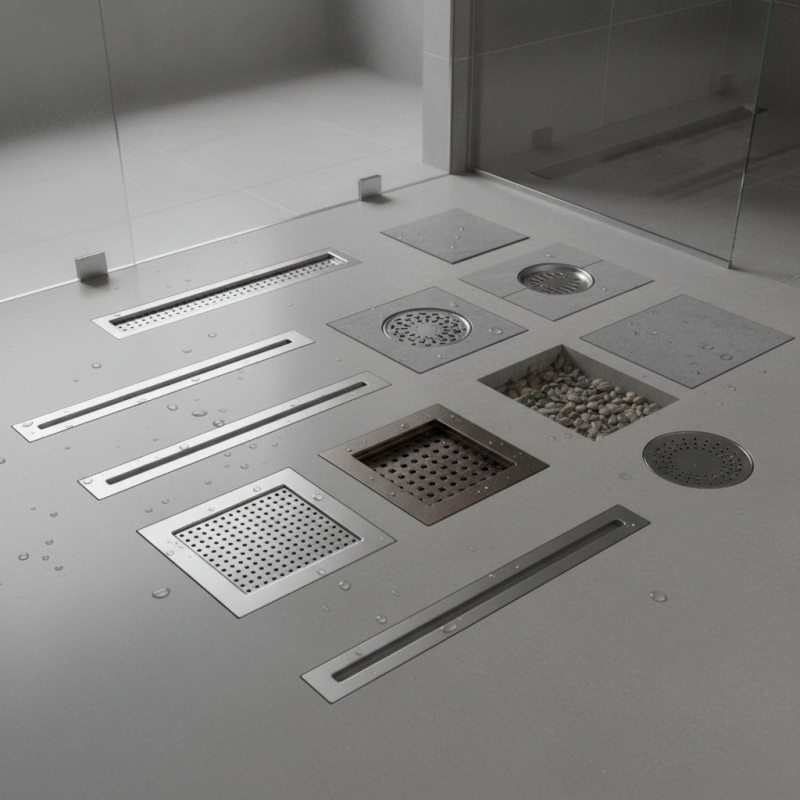
Top 10 Types of Shower Drainage Solutions for Global Markets
When it comes to shower drainage solutions, various options are available for global markets. Each type has its own characteristics that cater to different preferences and needs. For instance, linear drains offer a modern aesthetic and can handle larger volumes of water, making them ideal for contemporary bathrooms. Point drains, on the other hand, are more traditional and often easier to install, but they may not be as efficient in areas with heavy water flow.
Additionally, trench drains provide effective drainage for larger shower areas. However, they require precise installation and can be difficult to clean. Gravity drainage systems also play a critical role, relying on the slope of the floor to direct water. While effective, they require careful planning to ensure proper function. Amidst these choices, it’s essential to consider the long-term performance and maintenance of each system. Users often overlook the necessity of cleanout access for some drains, which can lead to issues down the line.
In summary, the right type of shower drainage solution depends on specific needs and preferences. These options reflect both modern design trends and functional requirements. Understanding the pros and cons of each type can help in making an informed decision, ultimately enhancing the bathroom experience.
Key Features to Consider When Choosing Shower Drains
When choosing shower drains, key features are essential to consider. The type of drainage system can significantly affect performance. A linear drain or a traditional drain? Each has its pros and cons. Linear drains offer a sleek look and are ideal for modern bathrooms. Traditional drains are simpler but may require more maintenance.
One important aspect is the size and shape of the drain. Proper sizing ensures efficient water flow. A drain that is too small may clog easily. On the other hand, a drain that is too large may not fit well with your flooring. Ensure the design complements your overall bathroom theme.
Tips: Always check for durability. Materials like stainless steel or PVC can last longer. Consider installation ease too. Some drains need professional help, while others can be DIY friendly. Understanding these features will guide you to make the right decision for your shower space.
Comparative Analysis of Drain Materials: Plastic vs. Metal
When choosing between plastic and metal for shower drainage solutions, several factors come into play. Plastic drains are often lighter and easier to install. They resist corrosion and chemical damage, making them ideal for humid environments. However, they may not have the same durability as metal options. Over time, they can become brittle and crack due to temperature fluctuations.
On the other hand, metal drains, such as stainless steel, provide strength and longevity. They can withstand heavy use and resist wear and tear. Metal drainage materials also offer a sleek, modern appearance, which many buyers prefer. However, their heavier weight can complicate installation. Additionally, they are susceptible to rust if not properly maintained.
Ultimately, the choice between plastic and metal comes down to specific needs and circumstances. Buyers should reflect on their unique situations. Assessing factors such as budget, installation ease, and aesthetic preferences is crucial. Understanding the long-term implications of each material can lead to better drainage solutions and overall satisfaction.
Top 10 Shower Drainage Solutions for Global Buyers
| Rank | Drain Type | Material | Durability | Cost (USD) | Maintenance |
| 1 | Linear Drain | Stainless Steel | High | 80-150 | Low |
| 2 | Point Drain | Plastic | Medium | 15-40 | Medium |
| 3 | Channel Drain | Fiber Reinforced Plastic | High | 70-120 | Low |
| 4 | Tile Insert Drain | Aluminum | Medium | 50-100 | Medium |
| 5 | Shower Pan Drain | PVC | Low | 20-50 | High |
| 6 | Grate Drain | Cast Iron | Very High | 100-250 | Low |
| 7 | Vinyl Drain | Vinyl | Medium | 30-60 | Medium |
| 8 | Cube Drain | Steel | High | 90-180 | Low |
| 9 | Wall Drain | Stainless Steel | High | 70-140 | Medium |
| 10 | Recessed Drain | Copper | High | 120-250 | Low |
Installation Techniques for Different Shower Drain Types
When it comes to shower drainage solutions, installation techniques vary significantly depending on the drain type. In fact, a report from the National Kitchen and Bath Association revealed that improper installation can lead to issues like leaks or clogs. For linear drains, it's crucial to ensure a slight slope towards the drain. A 1% slope is generally recommended, allowing water to flow efficiently without pooling.
For traditional point drains, proper placement is vital. These drains should ideally be positioned at the lowest point of the shower floor. Using a removable drain cover helps in maintenance. Not all installers consider this, which can lead to difficult cleaning. Some homeowners also prefer shower trays with integrated drainage systems. These require precise cutting and fitting, making them challenging for less experienced installers.
Additionally, it's essential to assess material choices. Stainless steel is common, but not every type offers the same durability. A study by the International Tile and Stone Institute found that poor-quality materials often lead to rust and corrosion over time. Homeowners should prioritize quality to avoid future replacements. When choosing installation methods, recognizing these nuances can prevent costly mistakes in the long run.
Maintenance Tips for Longevity of Shower Drainage Systems
Proper maintenance of shower drainage systems is essential for their longevity. Regular cleaning can make a significant difference. Hair and soap residue often build up in drains, leading to clogs. It's important to remove visible debris often. A simple tool can help here. Use a drain snake or a pair of gloves to clear the build-up. Doing this every month can prevent larger issues later.
Water quality impacts drainage systems too. Hard water can create mineral deposits that accumulate over time. Consider using a water softener or vinegar treatments to mitigate this. Flushing your drain with hot water periodically can also help. Always remember to check for leaks or unusual odors as they can signal deeper problems needing attention. Maintaining seals and gaskets is just as vital. These components ensure water flows correctly and prevent leaks.
Pay attention to the type of trap used in your system. Some designs are more prone to clogs than others. Being mindful of the type and how it fits into your overall plumbing will guide your maintenance efforts. Periodic inspections can help you spot potential issues early. It’s better to address small concerns than to deal with extensive repairs later on.