2026 Top Benefits of Red Light Therapy You Need to Know?
Red Light Therapy is gaining popularity for its myriad of benefits. According to Dr. Michael Hamblin, a renowned expert in this field, “Red light therapy can enhance the body’s natural healing processes.” This powerful treatment harnesses specific wavelengths of light to promote healing and improve skin health.
As interest in Red Light Therapy grows, people seek ways to enhance their well-being. Many users report visible improvements in skin texture and reduced inflammation. However, like any therapy, results can vary from person to person. Some may not experience the benefits as expected, prompting reflection on individual health conditions.
The science behind Red Light Therapy continues to evolve. Researchers are uncovering new potential applications, yet challenges remain. Skepticism exists about its effectiveness, leading some to question its legitimacy. It’s essential to approach this therapy with an open mind while considering personal experiences and research findings.
Understanding Red Light Therapy: What Is It and How Does It Work?
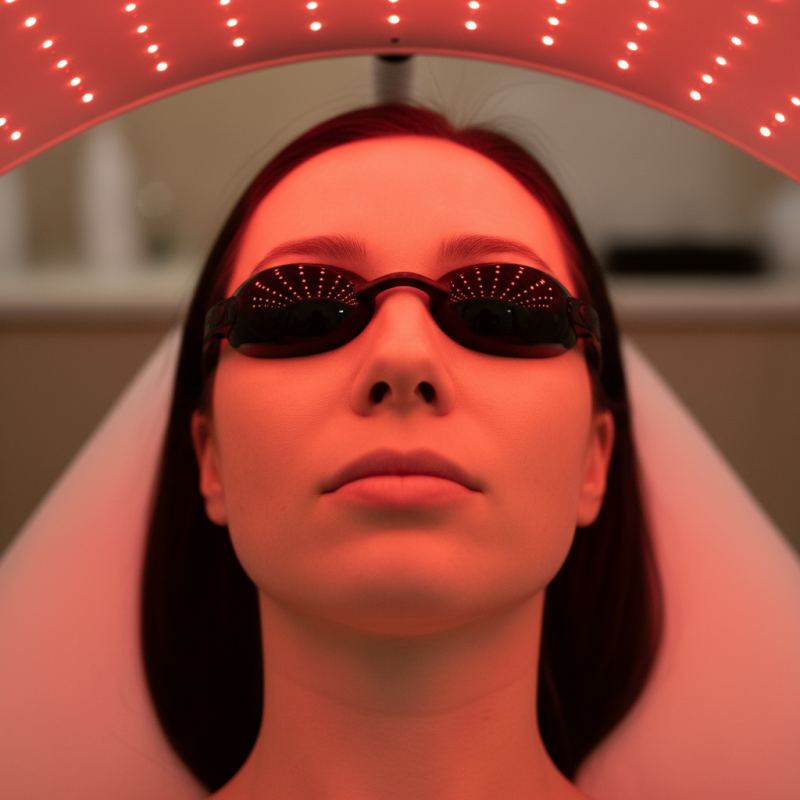
Red light therapy (RLT) has gained significant attention for its potential health benefits. This therapy uses low-level wavelengths of red light to penetrate the skin, aiming to stimulate cellular processes. Cells absorb this light and can produce more energy, leading to improved healing and reduced inflammation. Many users report feeling a sense of calm during their sessions.
Understanding how RLT works is crucial. When applied to the skin, red light can enhance circulation. This increased blood flow can transport oxygen and nutrients more efficiently. Some people notice a reduction in pain after treatments. However, not all results are guaranteed. Individual experiences can vary widely, and not everyone responds positively. There may be some skepticism about its effectiveness.
As you explore red light therapy, consider your specific needs. It might not be a miracle cure, but it holds promise for many. Research continues to uncover its potential benefits. Reflect on your health goals and whether RLT aligns with them.
The Science Behind Red Light Therapy: Key Mechanisms and Effects
Red light therapy has garnered attention in recent years due to its potential benefits. This treatment involves exposing the skin to specific wavelengths of light, primarily in the red and near-infrared spectrum. The science behind it suggests that red light can penetrate deep into the tissues, stimulating cellular activity and enhancing healing processes.
One key mechanism of red light therapy is its effect on mitochondria, the energy powerhouses of cells. When exposed to red light, mitochondria increase the production of ATP, the energy currency of our cells. This boost in energy can promote tissue repair and reduce inflammation. Many users report noticeable improvements in skin tone and texture, aiding in conditions like acne or aging.
However, not everyone experiences significant results. Some individuals find little to no change after multiple sessions. This varying response may depend on several factors, including skin type and the specific condition being treated. It’s essential to approach red light therapy with realistic expectations, as each person's experience can differ widely. While the science shows promise, continued research is necessary for a deeper understanding.
Top Health Benefits of Red Light Therapy for Skin and Aesthetics
Red light therapy (RLT) has gained popularity for its remarkable effects on skin health. Studies indicate that RLT can enhance collagen production, leading to improved skin elasticity. A report from the Journal of Cosmetic Dermatology stated that participants experienced up to 80% reduction in fine lines after consistent use of RLT. This therapy may activate cellular processes that rejuvenate the skin effectively.
Skin rejuvenation is not its only appeal. RLT is also known for reducing inflammation and accelerating healing. Research published in the Journal of Biomedical Optics highlighted RLT's potential in treating acne and eczema. With its non-invasive nature, it presents a promising option for those seeking alternatives to traditional treatments. Yet, not every treatment is effective for everyone. Some users may experience minimal results, requiring both awareness and patience.
Tip: When trying RLT, consistency is key. Look for a routine that suits your skin needs.
Moreover, the therapy's frequency can influence results. A study found that using RLT three times a week can be more beneficial than less frequent use. However, skin sensitivity varies. Some may feel discomfort, so monitoring skin reactions is essential.
Tip: Always start with shorter sessions to gauge your skin's reaction. This practice can help manage any unexpected sensitivities.
Red Light Therapy in Pain Management: Applications and Evidence
Red light therapy (RLT) has gained recognition in pain management. Studies show it can help reduce inflammation and promote healing. A 2020 review in "Pain Management" reported that RLT significantly alleviated chronic pain in various conditions, from arthritis to fibromyalgia. Participants often noted a tangible reduction in pain, indicating its potential effectiveness.
In practice, RLT works by penetrating the skin, stimulating cellular repair and increasing circulation. Many people have experienced a decrease in soreness after just a few sessions. However, clinical evidence can vary. Some studies show impressive results, while others highlight a need for more rigorous testing.
Treatment protocols differ across practitioners, leading to confusion. For effective pain management, doses and application times need clarity. Variables like skin type and condition of the injury can affect outcomes. Every patient response to therapy can be unique, marking an area for further exploration.
2026 Top Benefits of Red Light Therapy in Pain Management: Applications and Evidence
| Benefit | Application | Evidence Quality |
| Pain Reduction | Chronic Pain Conditions | High |
| Wound Healing | Post-Surgical Recovery | Moderate |
| Inflammation Reduction | Arthritis Management | Moderate |
| Improved Circulation | Peripheral Neuropathy | Moderate |
| Enhanced Tissue Repair | Muscle Recovery | High |
| Reduction of Scarring | Cosmetic Procedures | Moderate |
| Enhanced Muscle Performance | Athletic Training | Emerging |
| Reduced Pain in Fibromyalgia | Fibromyalgia Treatment | Moderate |
How to Incorporate Red Light Therapy into Your Wellness Routine
Incorporating red light therapy into your wellness routine can be straightforward and rewarding. Studies suggest it aids in skin rejuvenation, muscle recovery, and even mood enhancement. Notably, the Journal of Clinical and Aesthetic Dermatology reported a 70% improvement in skin appearance with regular use.
To get started, consider a consistent schedule. Aim for 10-20 minute sessions, multiple times a week. Place the device about six inches from your skin for optimal results. Some individuals notice improvements within a few weeks, while others may need longer. Remember, everyone's body responds differently.
Tip: Track your progress. Maintaining a journal can help you identify changes in skin texture or energy levels. Reflecting on your experience might reveal unexpected benefits or areas for adjustment. It’s essential to listen to your body. Adjust the frequency or duration as needed to fit your own pace. Red light therapy isn’t a magic solution; it takes time and patience to see the real impact.