Essential Tips for Choosing a Low Voltage Lighting Transformer?
Choosing the right Low Voltage Lighting Transformer is crucial for any lighting project. According to lighting expert John Smith, "A well-selected transformer can enhance the overall aesthetic and efficiency." The transformer is the heart of your low voltage system. It influences performance, longevity, and safety.
When considering options, think about wattage and voltage ratings. Many people overlook these details, thinking all transformers are the same. This can lead to issues like flickering lights or even system failures. A good transformer is not just about low cost; it's about reliability. Design and build quality also matter significantly.
Don't rush the decision. Take time to assess your specific lighting needs. Remember, a wrong choice today could lead to costly fixes later. Pay attention to manufacturer specifications and user reviews. The right Low Voltage Lighting Transformer will make all the difference. Your lighting deserves the best foundation to shine brightly.

Understanding Low Voltage Lighting Transformers
Low voltage lighting transformers play a crucial role in outdoor and indoor lighting. They convert standard voltage into a lower level suitable for specific lights. Understanding their function can greatly enhance your lighting choices.
When selecting a transformer, consider the power requirements of your lights. Know the total wattage needed. It’s common to underestimate this. Ensure the transformer can handle the load without overworking. An overloaded transformer can lead to dim lights or even failures.
Another factor is durability. Look for transformers made from high-quality materials. They should be weather-resistant if used outdoors. Some models may not withstand harsh conditions. Reflect on the potential long-term cost of replacements if you choose poorly.
Opt for features that suit your needs. Dimming capabilities can add versatility to your lighting scheme. Additionally, check the installation process. Some transformers are simpler to install than others. This could save you time and effort down the road.
Essential Tips for Choosing a Low Voltage Lighting Transformer
This bar chart represents the most important factors to consider when choosing a low voltage lighting transformer. The factors include power output, efficiency, durability, cost, and ease of installation, each rated on a scale from 1 to 10 based on their significance.
Key Factors in Selecting the Right Transformer Size
When selecting a low voltage lighting transformer, one key factor is sizing.
Calculate the total wattage of all connected fixtures. This helps ensure efficient operation.
An undersized transformer may overheat. It can lead to light flickering or even failure.
Consider the transformer capacity. Aim for a transformer that exceeds your total wattage by 20%.
This buffer allows for future expansions. It provides reliability, especially in outdoor settings.
Ensure the transformer matches your specific voltage requirements.
Different landscapes and tasks might need different voltages. Using the wrong voltage can limit performance.
Always double-check before making your purchase.
Tips: Don't rush your decision. Take time to gather information.
Review specifications carefully. It’s okay to consult an expert. Sometimes, a simple mistake can cause bigger issues.
Prioritize quality over price. You want a transformer that lasts.
Types of Transformers for Low Voltage Lighting Systems
When selecting a transformer for low voltage lighting systems, it’s essential to understand the types available. Transformers are crucial in converting high voltage electricity to low voltage. There are generally two main types: magnetic and electronic.
Magnetic transformers work with electromagnetic induction. They are reliable and often more durable. However, they can be bulky and heavier than their electronic counterparts. On the other hand, electronic transformers are compact and lightweight. They use electronic circuits to convert voltage and are suitable for LED systems. But, they can have limitations regarding load capacity.
Consider your lighting load before deciding. If you have many fixtures, a magnetic transformer may be the better choice. It can handle higher wattage without overheating. For smaller, low-watt applications, an electronic transformer may suffice. Just be cautious of compatibility; not all transformers work seamlessly with every bulb type. Testing different setups could help in finding the best fit for your needs.
Essential Tips for Choosing a Low Voltage Lighting Transformer
| Transformer Type |
Voltage Output |
Max Load (W) |
Efficiency (%) |
Usage |
| Magnetic Transformer |
12V / 24V |
300W |
85 |
Outdoor Lighting |
| Electronic Transformer |
12V / 24V |
150W |
90 |
Indoor Lighting |
| Dimming Transformer |
12V / 24V |
200W |
88 |
Adjustable Lighting |
| Class 2 Transformer |
12V |
100W |
85 |
Landscape Lighting |
Evaluating Efficiency and Compatibility for Optimal Performance
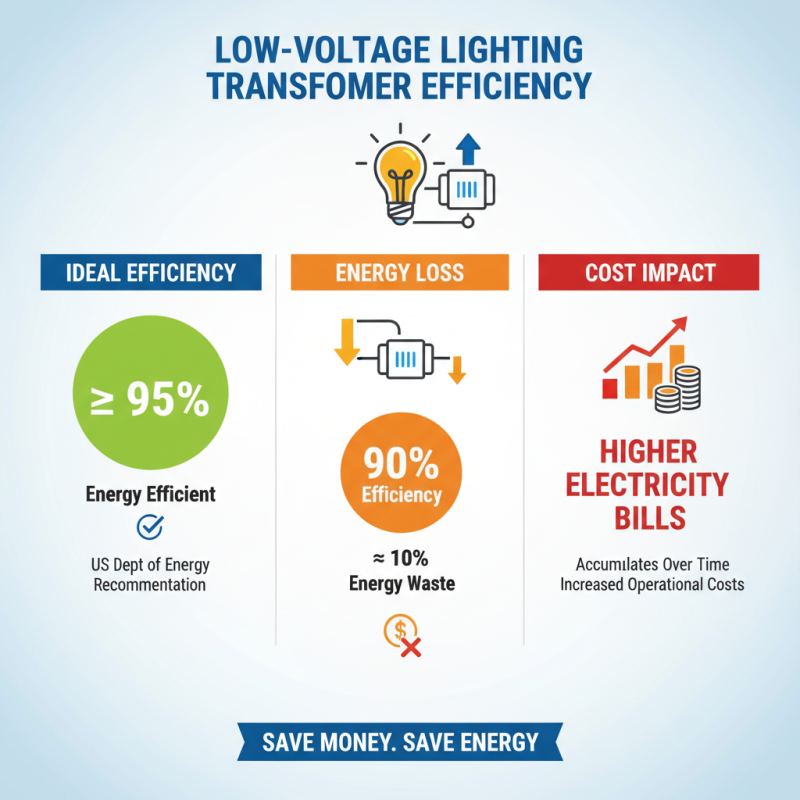
When choosing a low voltage lighting transformer, efficiency is crucial. According to the U.S. Department of Energy, transformers that operate at 95% efficiency or higher are ideal. Lower efficiency can lead to energy loss, impacting your electricity bill. In fact, a transformer operating at only 90% efficiency could waste around 10% of energy. This can accumulate over time, leading to noticeable increases in operational costs.
Compatibility is equally important. Ensure your transformer matches the wattage required by your lighting fixtures. Mismatched wattages can lead to overloading, reducing the lifespan of your lights. A report from the National Electrical Manufacturers Association suggests that using compatible systems enhances performance and reliability. Additionally, consider the type of installation. Indoor and outdoor settings may have different requirements, impacting the choice of transformer.
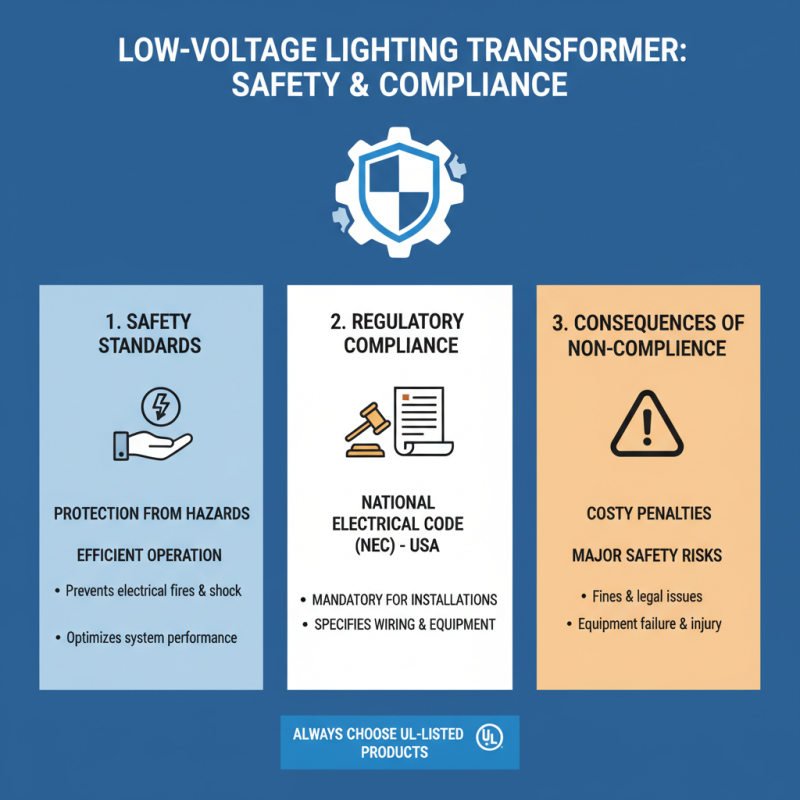
Many users overlook the importance of checking local codes and standards. Regulations vary widely. Failure to comply may lead to safety hazards or fines. Consultation with a professional can mitigate these risks. They can recommend solutions based on specific environments and applications. Understanding these components helps in selecting the optimal transformer and ensuring efficient, safe lighting.