What is a Smart Home Panel and How Does It Work?
In recent years, the concept of a Smart Home Panel has gained significant traction. According to a report by Statista, the global smart home market is projected to reach $174 billion by 2025. This highlights the growing demand for integrated home automation systems. A Smart Home Panel acts as the central hub that connects various smart devices, allowing users to manage them seamlessly.
The technology behind Smart Home Panels is evolving rapidly. Industry experts note that advancements in artificial intelligence and IoT are making these systems more intuitive and responsive. For example, users can control lighting, security, and temperature all through a single interface. However, many consumers still face challenges in setup and compatibility between devices.
Despite the convenience offered, not all Smart Home Panels deliver on their promises. Some systems can be complex to navigate, leading to user frustration. Additionally, security concerns remain a significant issue. Users must balance convenience with potential vulnerabilities in their smart ecosystems, underlining the need for careful consideration before investment.
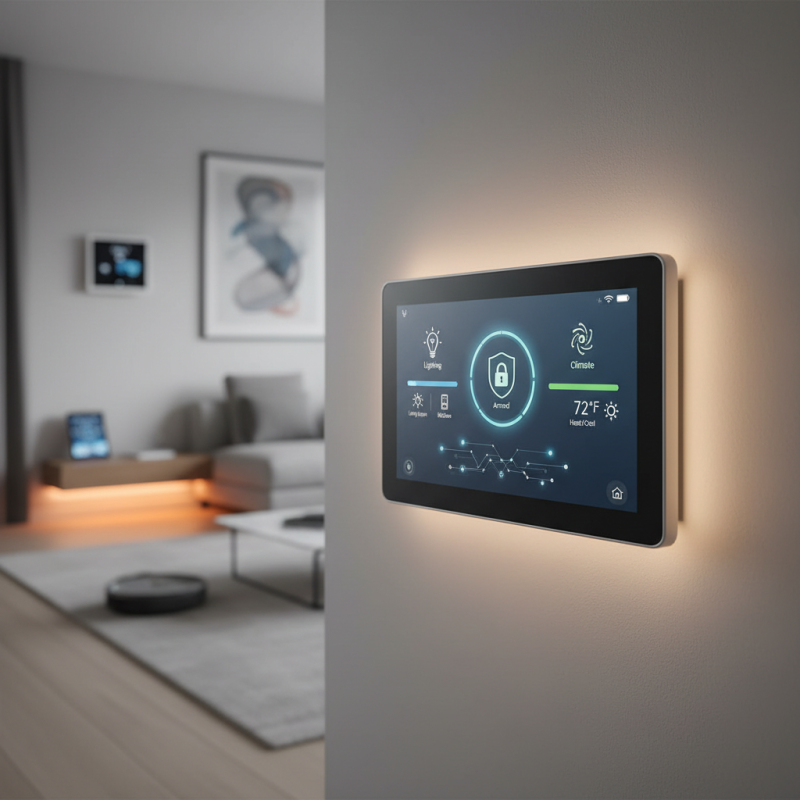
What is a Smart Home Panel and Its Primary Functionality
A Smart Home Panel acts as the central control hub for smart devices. It connects security systems, lighting, and HVAC units into a cohesive system. As per a 2022 market report, the global smart home market is projected to reach $135 billion by 2025. This growth highlights the significance of effective control systems.
Primary functionality includes managing device integration. Users can adjust settings from a single interface. Basic tasks require just a few taps. Voice commands have also become a vital feature. This not only simplifies user interaction but also enhances accessibility for all ages.
Despite their advantages, challenges exist. Some users report frustration with setup and connectivity issues. A study by the Consumer Technology Association found that 28% of homes experience integration problems. Improvements are necessary for user experience and reliability. As technology advances, refining these panels will be crucial for widespread adoption.
What is a Smart Home Panel and How Does It Work?
| Dimension | Description |
| Device Type | Touchscreen panel |
| Connectivity | Wi-Fi, Zigbee, Z-Wave |
| Primary Function | Central control hub for smart devices |
| User Interface | Intuitive touchscreen display |
| Voice Control | Compatible with virtual assistants |
| Home Automation | Scheduling and automation of smart devices |
| Security Features | Integration with security systems |
| Energy Management | Monitoring and control of energy usage |
Key Components of a Smart Home Panel: Sensors and Controls
Smart home panels serve as the central hub for controlling and monitoring your smart devices. They connect different sensors and controls to ensure seamless operation. This integration is vital for achieving efficiency and convenience in a smart home environment.
Key components of a smart home panel include sensors and controls. Sensors can detect motion, temperature, and light levels. They send data to the panel, allowing homeowners to respond quickly to any changes. For example, motion sensors can trigger alarms or notify you if someone enters your home unexpectedly.
Controls, on the other hand, include interfaces that let users adjust settings. Touch screens or mobile apps enable easy access to device functions.
While these components enhance home automation, their reliability is sometimes called into question. Systems can fail or misinterpret data. Connectivity issues may disrupt your smart home experience.
Regular maintenance and updates can mitigate these problems. Yet, even the most advanced systems can encounter glitches. Homeowners must remain vigilant and informed to ensure their devices operate smoothly.
Integration of Smart Home Panels with IoT Devices and Protocols
Smart home panels serve as central hubs, connecting various Internet of Things (IoT) devices. These devices include smart lights, thermostats, and security systems. The integration allows for seamless operation and monitoring. According to a report by MarketsandMarkets, the IoT in smart homes market is expected to reach $100 billion by 2025. This shows a significant growth, highlighting the influence of smart home technology.
Smart home panels often utilize multiple protocols, such as Zigbee, Z-Wave, and Wi-Fi, to communicate with devices. Each protocol has its strengths and weaknesses. For instance, Zigbee is energy efficient but may have limited range. In contrast, Wi-Fi offers broader coverage but can consume more power. The choice of protocol can impact device performance. Users should weigh these factors carefully when setting up their systems.
While the integration of smart home panels with IoT devices brings convenience, it also raises concerns. Cybersecurity is a critical issue. In 2022, a survey found that nearly 30% of smart home users experienced security breaches. This highlights the need for robust security measures. Additionally, interoperability can be a challenge. Some devices may not work well together, leading to frustration for users.
The Benefits of Smart Home Panels in Modern Household Automation
Smart home panels serve as central hubs for household automation. They allow users to control multiple smart devices from one interface. Research indicates that the global smart home market is expected to reach $174 billion by 2025. This indicates strong consumer interest in such technology.
The benefits are numerous. Smart home panels can streamline daily tasks, enhance energy efficiency, and improve security. For instance, homeowners can automate heating systems. This can save up to 20% on energy costs, according to the U.S. Department of Energy. Additionally, a well-configured smart panel can alert users to unusual activity. However, these systems can have vulnerabilities. Users must stay informed about potential cybersecurity threats.
Moreover, while they enhance convenience, many devices can be overly complex. Not every family member may find them easy to use. It's crucial that manufacturers consider user experience. Balancing functionality with simplicity remains a challenge. Users should weigh the pros and cons carefully before adopting these technologies. The growing shift toward automation demands a critical look at both benefits and limitations.
Smart Home Panel Features and Adoption Rates
Market Trends and Growth Projections in Smart Home Technology
The smart home technology market is on a rapid growth trajectory. The global smart home market is projected to reach approximately $174 billion by 2025. This represents a compound annual growth rate (CAGR) of around 25% from 2021 to 2025, according to various market research reports. Increasing consumer interest in automation and energy efficiency drives this growth.
Smart home panels serve as centralized control hubs for these technologies. They enhance convenience but also highlight challenges in user experience. Many users report confusion over multiple app interfaces. The need for seamless integration remains a priority. Some reports indicate that nearly 40% of consumers find existing smart home products challenging to connect and manage.
Security and privacy concerns are also significant. As homes become smarter, so do vulnerabilities. A recent study noted that 70% of consumers worry about hacking. This apprehension could slow growth if not addressed adequately. Companies must focus on improving security features alongside usability to build trust and drive market expansion.