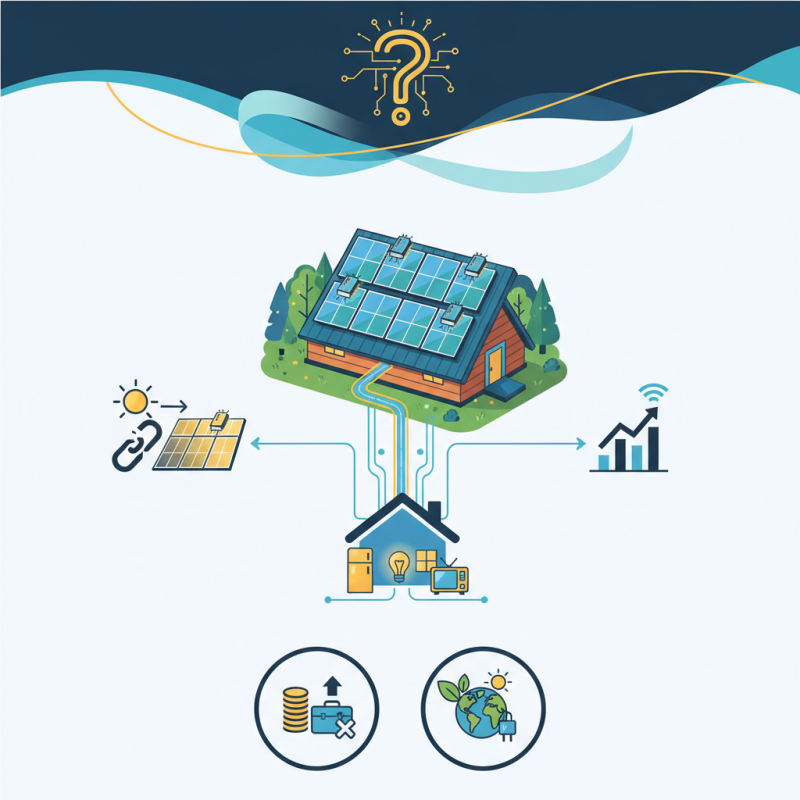
What is a Microinverter for Off Grid Solar Systems?
In remote areas, traditional solar systems may face limitations. This is where microinverter solar off grid solutions come into play. Microinverters enhance solar panel performance. They convert direct current (DC) from panels into usable alternating current (AC) for homes.
These devices work independently for each panel. That means, if one panel is shaded, others still operate efficiently. This design optimizes energy production. Users benefit from higher efficiency and reliability. Microinverters also provide real-time monitoring capabilities. Users can track energy generation from anywhere.
However, challenges exist. Microinverter systems can have higher upfront costs. Maintenance and replacement also require attention. Understanding these aspects is crucial for potential users. Despite imperfections, microinverters offer a dynamic solution for off-grid solar systems. They pave the way for sustainable energy independence.
Understanding Microinverters: An Overview
Microinverters play a crucial role in off-grid solar systems. They convert the direct current (DC) from solar panels into alternating current (AC) for household use. Each panel has its own microinverter, which maximizes efficiency. This setup helps in capturing more sunlight, even in partial shade.
One key benefit of microinverters is their ability to optimize energy harvest. If one panel underperforms, others still function well. This design can be more reliable compared to traditional string inverters. However, microinverters may require more initial investment. That's a significant consideration for many homeowners.
Installation can be trickier. Each microinverter connects to a separate panel. It’s important to ensure they are placed correctly. Maintenance may also take longer since there are multiple components to check. Understanding these details is essential for making informed choices about solar energy solutions.
The Role of Microinverters in Off-Grid Solar Systems
Microinverters play a crucial role in off-grid solar systems. Unlike string inverters, microinverters operate independently for each solar panel. This design allows them to optimize energy production. If one panel is shaded, it doesn't affect the others. Each panel maximizes its output, leading to better efficiency.
Using microinverters, users can monitor energy generation at the panel level. This feature provides real-time data, helping users manage their systems effectively. However, microinverters can be more complex to install and maintain. Their individual components may require additional attention. Installation may not be straightforward for everyone.
In off-grid systems, reliability is key. Microinverters can offer benefits, but they may introduce potential points of failure. Users need to weigh the advantages against the complexities. A simpler string inverter might be preferable for some setups. It's essential to evaluate the system's needs carefully.
What is a Microinverter for Off Grid Solar Systems? - The Role of Microinverters in Off-Grid Solar Systems
| Feature | Description | Benefits | Drawbacks |
| Size | Compact design that attaches to individual solar panels. | Increased energy production by optimizing panel output. | Higher initial installation cost compared to string inverters. |
| Performance Monitoring | Allows for real-time performance monitoring of each panel. | Enhanced troubleshooting capabilities and maintenance. | Reliance on communication technology can introduce complexity. |
| Installation Flexibility | Easier to install in diverse environments and orientations. | Maximizes energy production in shaded or uneven areas. | Management of multiple units could complicate the system. |
| Durability | Built to withstand various environmental conditions. | Longer lifespan and lower maintenance needs. | Potential risks of individual unit failure impacting overall system. |
Advantages of Using Microinverters for Solar Energy
Microinverters play a crucial role in off-grid solar systems. They're compact devices that convert direct current (DC) from solar panels into alternating current (AC). One of the significant advantages is their ability to maximize energy production. According to the National Renewable Energy Laboratory, microinverters can increase energy harvest by up to 20%. This is important in shaded areas where traditional inverters may underperform.
Reliability is another key benefit. Microinverters operate independently, meaning if one fails, the others continue to function. This can lead to a long system lifespan. A report from the Solar Energy Industries Association indicates that systems using microinverters have lower maintenance costs. This is ideal for off-grid installations where access is limited.
Tips: Consider your roof's shading patterns when selecting a solar system. Microinverters can provide better output in uneven light conditions. Also,
regular monitoring of your system's performance is essential to identify any issues early. While microinverters tend to cost more upfront, the benefits may justify the investment. Remember to assess your specific energy needs and usage patterns for the best results.
Installation and Maintenance of Microinverters
Microinverters play a vital role in off-grid solar systems. They convert solar energy into usable electricity at the panel level. This means each panel operates independently, improving overall system efficiency. Installation of microinverters is generally straightforward. They attach directly to each solar panel. Proper placement and wiring are essential for optimal performance. Ensure the area is clean and free from debris.
During installation, it’s crucial to follow guidelines closely. Missteps can lead to decreased energy output. Check connections to avoid issues later. Additionally, consider the shading from nearby trees or buildings. Regular maintenance is key to longevity. Inspect the system twice a year for any visible damage. Clean the microinverters lightly. Accumulated dirt can reduce efficiency.
Monitor system performance through available tools. Signs of failure may include sharp drops in energy production. It’s wise to be proactive rather than reactive. Address minor concerns promptly to prevent bigger problems. Though microinverters are durable, they need attention. This effort ensures they work efficiently in the long run.
Comparing Microinverters with Traditional Inverters in Solar Systems
Microinverters are becoming a popular choice in off-grid solar systems. Unlike traditional inverters, they are installed on each solar panel. This means every panel operates independently. If one panel has issues, the others continue working efficiently. It offers better energy production in shaded areas. Traditional inverters, on the other hand, connect multiple panels. If one panel fails, it affects the entire system.
The efficiency of microinverters shows promise, but there are challenges. Installation can be more complex, leading to higher upfront costs. They also require regular maintenance due to increased components on the roof. In contrast, traditional inverters are simpler to maintain. However, they may underperform in less-than-ideal conditions. Homeowners need to balance cost and efficiency carefully.
Deciding between microinverters and traditional inverters requires reflection. Each option has strengths and weaknesses. A thoughtful approach can help achieve a more effective solar energy solution. Understanding one’s energy needs is crucial. This journey toward self-sufficiency has its obstacles, yet the rewards can be significant.