What is a LED Light? Understanding Types, Benefits, and Uses Explained
LED lights have revolutionized the way we illuminate our spaces, combining efficiency with versatility. As technology continues to advance, understanding what LED light is and how it functions becomes increasingly important. LED, which stands for Light Emitting Diode, represents a significant leap forward in lighting technology compared to traditional incandescent and fluorescent options.
This guide will delve into the various types of LED lights, exploring their distinctive features, benefits, and applications across different environments. From residential use to commercial settings, LED lights offer a plethora of advantages, such as energy efficiency, longevity, and reduced environmental impact. By understanding these elements, we can make informed decisions in selecting the right lighting solutions to suit our needs and contribute to a more sustainable future. Whether you're looking to upgrade your home or enhance your workspace, the benefits of LED light are undeniable, making them an essential component of modern lighting design.
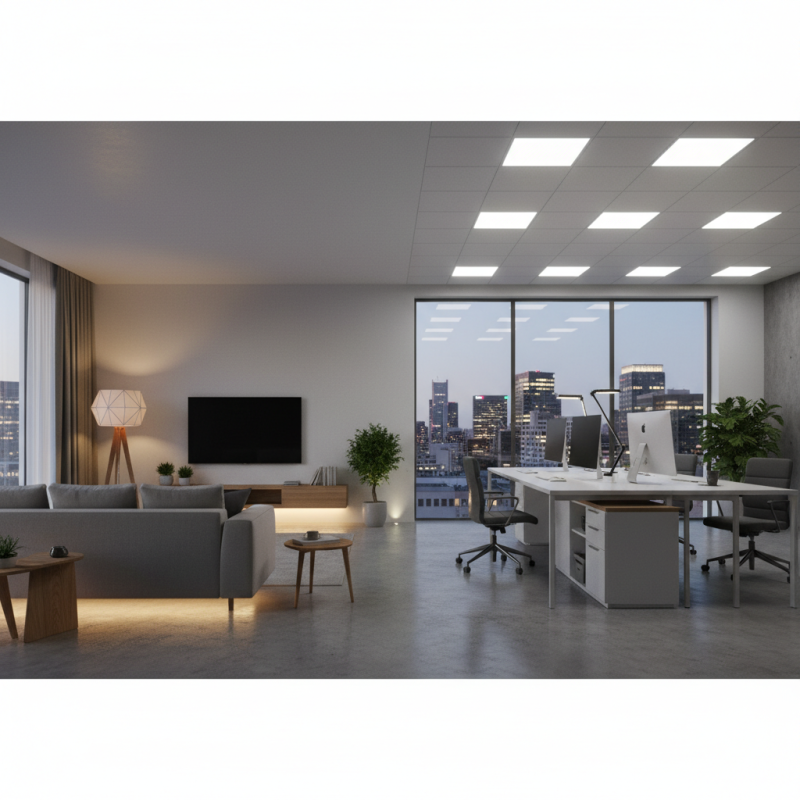
What is a LED Light? An Overview of Light Emitting Diodes
Light Emitting Diodes (LEDs) are semiconductor devices that emit light when an electric current passes through them. The mechanism behind LED technology relies on the principle of electroluminescence, which occurs when electrons recombine with electron holes within the material, releasing energy in the form of light. This simple yet efficient process allows LEDs to produce various colors depending on the materials used in their construction, making them popular for numerous applications ranging from household lighting to intricate electronic displays.
One of the significant advantages of LED lights is their energy efficiency. Compared to traditional incandescent or fluorescent bulbs, LEDs consume far less energy, which not only reduces electricity costs but also minimizes environmental impact. Additionally, LEDs have a long lifespan, often lasting tens of thousands of hours, which means less frequent replacements and lower disposal costs. They also emit very little heat, making them safer to use and decreasing the risk of burns or fires. As a result, LEDs have become a preferred choice for both commercial and residential lighting solutions, revolutionizing how we illuminate our spaces.
What is a LED Light? Understanding Types, Benefits, and Uses Explained
| Type of LED Light |
Color Temperature (Kelvin) |
Lifespan (Hours) |
Energy Efficiency (Wattage) |
Common Uses |
| Standard LED Bulb |
2700K - 3000K |
15,000 - 25,000 |
8-12W |
Home and office lighting |
| Cool White LED |
4000K - 5000K |
25,000 - 50,000 |
10-15W |
Workplaces, hospitals |
| Daylight LED |
5000K - 6500K |
25,000 - 50,000 |
10-15W |
Showrooms, retail spaces |
| RGB LED |
Variable |
15,000 - 30,000 |
5-10W |
Decorative lighting, displays |
| LED Strip Light |
2700K - 6000K |
15,000 - 30,000 |
12-24W |
Accent lighting, under cabinets |
Types of LED Lights: Categories and Their Unique Features
LED lights come in various types, each tailored to specific applications and offering distinct features. One primary category is the standard LED bulb, which is designed to replace traditional incandescent bulbs. These bulbs provide excellent energy efficiency and longevity, making them ideal for residential and commercial lighting. They are often available in different shapes and color temperatures, allowing users to customize lighting to their preferences.
Another significant type is the LED strip light, known for its flexibility and versatility. These thin, flexible strips can be adhered to various surfaces, enabling creative lighting solutions for indoor and outdoor spaces. Typically used for accent lighting, they can enhance architectural features, provide mood lighting, or serve functional purposes under cabinets and along pathways.
Additionally, there are high-powered LED lights utilized in industrial and outdoor settings. These lights are crafted to deliver bright illumination over large areas, making them suitable for street lighting, security applications, and warehouses. With their robust construction and higher lumen output, they ensure visibility and safety in various environments, showcasing the adaptability of LED technology across different sectors.
Benefits of Using LED Lights: Energy Efficiency and Longevity
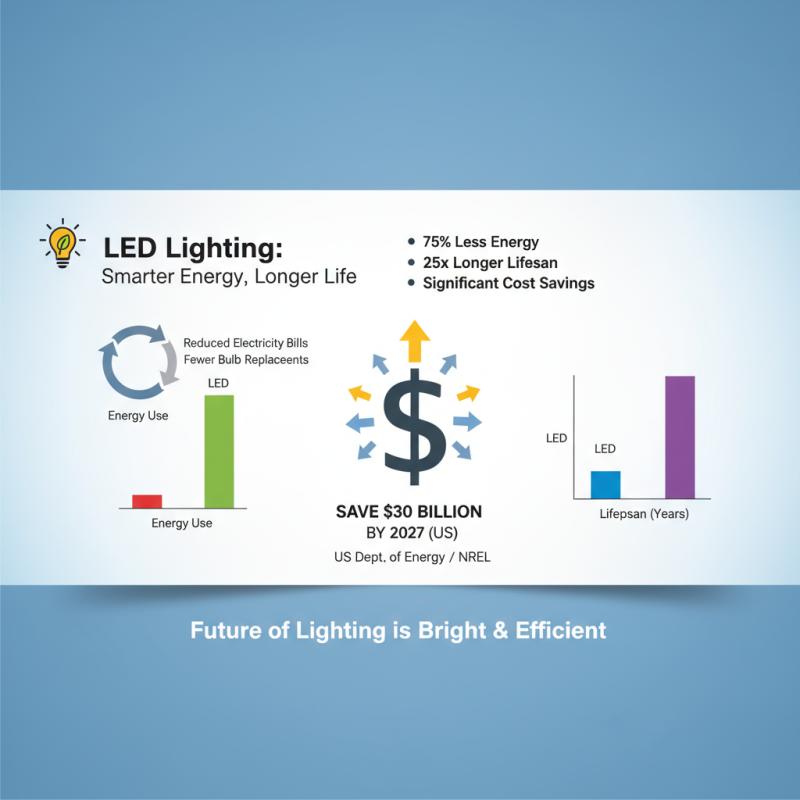
LED lights have rapidly gained popularity in both residential and commercial settings due to their remarkable energy efficiency and longevity. According to the U.S. Department of Energy, LED lighting can use at least 75% less energy than traditional incandescent bulbs and last 25 times longer. This translates to significant cost savings over time, as users spend less on electricity and reduce the frequency of bulb replacements. In fact, a study by the National Renewable Energy Laboratory found that widespread adoption of LED technology could save consumers nearly $30 billion in energy costs by 2027.
The longevity of LED lights not only offers economic benefits but also contributes to environmental sustainability. With an average lifespan of around 25,000 to 50,000 hours, LEDs are designed to outlast their incandescent counterparts, which typically last only about 1,000 hours. This durability means fewer bulbs being disposed of in landfills, which is crucial in reducing waste in an increasingly eco-conscious society. As energy-efficient lighting becomes a standard, the adoption of LED technology represents a pivotal shift towards more responsible and sustainable consumption practices in lighting.
Common Applications of LED Lights in Various Industries
LED lights have become increasingly popular across various industries due to their energy efficiency, longevity, and versatility. In commercial applications, for instance, the use of LED lighting can lead to significant cost savings; according to a report by the U.S. Department of Energy, widespread adoption of LEDs could save businesses up to $250 billion in energy costs by 2025. Factors such as reduced heat output and lower energy consumption make LED lights an ideal choice for retail environments, where effective lighting can enhance product visibility and improve customer experience.
In the industrial sector, LED lights are utilized in manufacturing and warehouse settings to improve safety and reduce accidents. The brightness and directional focus of LEDs enhance visibility in otherwise dimly lit areas, promoting safer working conditions. Additionally, a recent study from the Lighting Research Center indicates that switching to LED lighting in industrial spaces can improve worker productivity by up to 20%. Furthermore, the durability of LED technology reduces the frequency of replacements, resulting in fewer disruptions and maintenance costs.
Healthcare facilities also reap the benefits of LED lighting, where the right lighting can contribute to better patient outcomes. Hospitals have started incorporating LED technology in surgical and examination rooms, improving illumination while minimizing heat generation, which is crucial for both patient comfort and equipment longevity. As reported by the Global LED Market Analysis, the healthcare sector is expected to grow its LED adoption rate by over 15% in the next five years, highlighting the increasing reliance on energy-efficient lighting solutions that enhance both operational efficiency and patient care.
Future Trends in LED Technology and Innovations
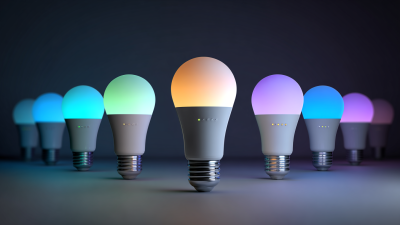
As LED technology continues to advance, several future trends and innovations are emerging. One significant trend is the development of smart LEDs, which integrate with Internet of Things (IoT) systems to provide enhanced control and automation capabilities. These smart lighting solutions can be programmed to adjust brightness, color, and even lighting schedules based on user preferences or environmental changes, ultimately leading to improved energy efficiency and user experience.
Another notable innovation in LED technology is the move towards organic light-emitting diodes (OLEDs). Unlike traditional LEDs, OLEDs are flexible and can emit light over a larger surface area, allowing for new design possibilities in various applications, from architectural lighting to wearable technology. This flexibility not only offers aesthetic advantages but also contributes to energy savings and sustainability, as OLEDs are typically thinner and lighter than conventional LED fixtures. As research progresses, we can expect to see OLEDs becoming more mainstream, further revolutionizing the lighting and display industries.
Sustainability is also a crucial aspect of future LED innovations. Emphasis on eco-friendly materials and manufacturing processes is increasing, as industries aim to reduce their ecological footprint. Innovations such as solid-state lighting and advancements in thermal management are being explored to enhance performance while minimizing energy consumption. As these trends develop, they pave the way for more sustainable lighting solutions that align with global efforts to combat climate change.