What is a Farrowing Cage and How Does It Benefit Farmers?
Farrowing Cages are essential tools in modern pig farming. They provide a safe environment for sows during the critical birthing process. By using these cages, farmers can ensure that both the mother and her piglets are protected from potential harm. Farrowing cages help manage space effectively. They allow sows to nurse their piglets without risking injury to them.
These cages also promote better hygiene in livestock management. Farmers can easily clean around the sows, reducing the risk of disease. However, the use of farrowing cages is not without controversy. Some argue that they can restrict the natural behavior of sows. This raises ethical questions about animal welfare in farming practices.
Despite the concerns, many farmers endorse farrowing cages for their practical benefits. They enhance the safety and health of the animals involved. Ultimately, the effectiveness of farrowing cages is evident in improved piglet survival rates, proving their significance in livestock farming. A deeper understanding of these benefits is important for responsible farming practices.
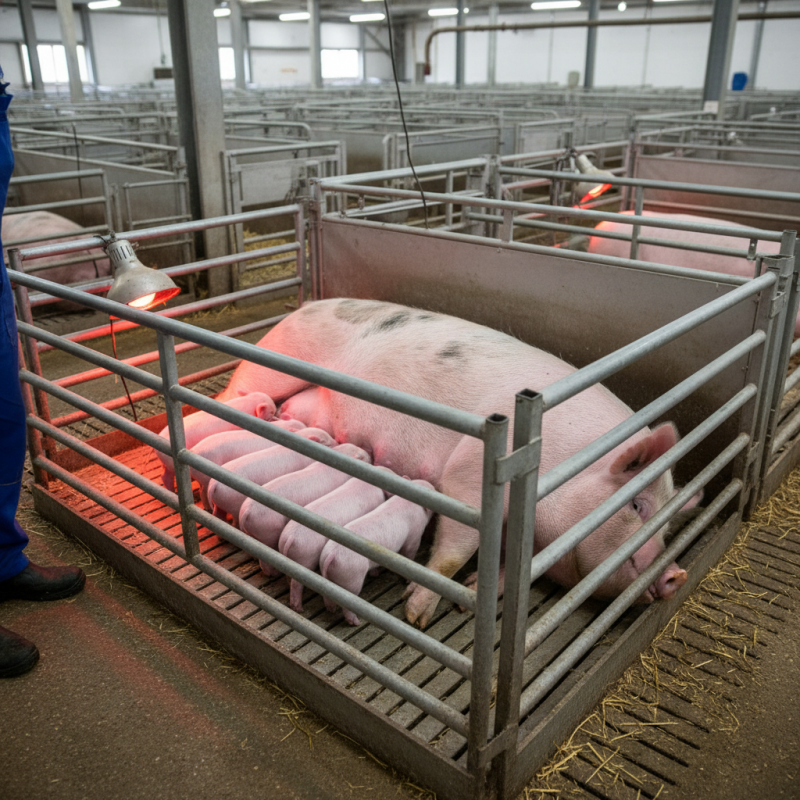
What is a Farrowing Cage?
A farrowing cage is a structure designed to house pregnant sows during the birthing process. These cages provide a controlled environment, which helps manage the welfare of both the sow and her piglets. In a farrowing cage, the sow has limited mobility, which prevents her from accidentally crushing her young. This setup is crucial in the early days after birth, when piglets are most vulnerable.
The design of a farrowing cage also fosters a hygienic space. Built with materials that are easy to clean, it minimizes the risk of disease. Farmers can monitor the health and behavior of the sow and her litter closely. However, the use of these cages is not without controversy. Critics argue that restricting the sow's movement can lead to stress and frustration. This raises ethical questions about animal welfare in modern farming practices.
Despite these challenges, many farmers appreciate the farrowing cage for its practical benefits. It can lead to higher survival rates among piglets, which is a significant economic advantage. Balancing animal welfare with production efficiency continues to be a critical conversation in the farming community. Making adjustments to improve the design of these cages could address some concerns raised by animal rights advocates.
Benefits of Using Farrowing Cages in Pig Farming
This chart illustrates the key benefits of using farrowing cages in pig farming, highlighting improvements in piglet survival rates, space efficiency, and farmer satisfaction.
Design and Structure of Farrowing Cages
Farrowing cages are specialized enclosures designed for sows during the birthing process. Their structure typically includes a metal frame with adjustable sides. This design allows sows to nest while preventing accidental injury to piglets. According to the National Pork Board, the use of farrowing cages can improve piglet survival rates by 13%. This increase is essential for farmers focused on productivity.
Farmers must consider the cage dimensions. The space needs to be large enough for sows to lie comfortably but restricted enough to keep the piglets safe. A common recommendation is about 6.5 square meters. However, some studies suggest that larger cages can enhance the well-being of the sow and her offspring. Excess room can lead to stress during feeding and nursing.
Tip: Regularly monitor the condition and cleanliness of farrowing cages. This practice helps avoid common health issues. Dirt and debris can lead to infections, which affect both sows and piglets. Additionally, seek feedback from farmers who have transitioned to improved designs. Their insights can provide valuable lessons.
Maintaining a balance between space and safety is pivotal. It's essential to reflect on how different designs impact animal welfare. Though farrowing cages provide benefits, the debate continues about their ethical implications.
Benefits of Farrowing Cages for Piglets
Farrowing cages play a crucial role in pig farming. These structures are designed to keep sows and their piglets safe during the crucial early days after birth. With limited space, sows can nurse their young without accidentally crushing them. This setup improves the survival rate of piglets significantly.
The use of farrowing cages also enhances the overall hygiene of the environment. By containing the sow and her piglets, farmers can maintain cleaner living conditions. This reduces the risk of infections that can harm both the mother and her offspring. Farmers report lower veterinary costs due to fewer health issues, highlighting the efficiency of this system.
However, some critiques highlight the potential stress farrowing cages may cause for sows. The confinement could lead to behavioral issues. Farmers are encouraged to monitor their animals closely and adapt practices to ensure well-being. Balancing the benefits and ethical considerations remains an ongoing conversation in modern agriculture.
How Farrowing Cages Improve Farmer Efficiency
Farrowing cages are essential in modern pig farming. These enclosures provide a confined space for sows during farrowing. They help ensure the safety of piglets. Sows have a designated area to give birth, reducing the risk of crushing their young.
Efficiency is a significant benefit of using farrowing cages. Farmers can monitor sows and piglets more closely. This setup allows for easier access to the sow and her litter. Farmers can quickly respond to any issues, such as illness or distress.
However, not all aspects are perfect. Some animal welfare advocates raise concerns about the confinement. Farmers must find a balance between efficiency and the animals’ well-being. Regular assessments of the cages' design could help improve conditions. A thoughtful approach is essential for long-term success in farming.
Considerations and Challenges of Using Farrowing Cages
Farrowing cages are widely used in pig farming, known for providing a controlled environment for sows during the farrowing process. However, using these cages comes with several considerations and challenges. They can limit the movement of sows, which might lead to stress. Farmers must balance the benefits of protecting piglets with the need for animal welfare.
Avoiding prolonged confinement is key. Make sure the cages are designed to allow sows to stand and lie down comfortably. This simple feature can significantly reduce stress levels. When examining the design of farrowing cages, consider the space allocated for each sow. Crowding can affect behavior and health.
Regular monitoring is crucial when using farrowing cages. Keep an eye on sow behavior and health. If a sow shows signs of distress, it may be a sign that the cage needs adjustment. Providing enrichments can also make a difference. Simple additions like bedding can improve comfort and reduce anxiety. Remember, the goal is to create a balance between efficiency and welfare in pig farming.
What is a Farrowing Cage and How Does It Benefit Farmers? - Considerations and Challenges of Using Farrowing Cages
| Aspect | Details |
| Definition | A farrowing cage is a confined space where sows give birth and nurse piglets. |
| Benefits for Farmers | Improved piglet survival rates, reduced risk of crushing, ease of feeding and monitoring. |
| Animal Welfare Considerations | Concerns about restricted movement and natural behaviors. |
| Regulatory Challenges | Varies by region; some places are moving toward banning or regulating use. |
| Alternative Options | Free farrowing systems, less confined spaces promoting natural behaviors. |
| Cost Implications | Higher upfront costs for construction and potential retrofitting for compliance. |