
10 Best Toilet Brushes for Homes and Businesses
A clean restroom depends on routine, suitable tools, and realistic maintenance. The Toilet Brush may seem like a minor purchase, but its head shape, bristle stiffness, handle grip, and holder design affect daily use. A cramped bathroom needs a compact profile. A busy workplace may need a sturdier handle and a holder that is easy to empty and clean. Small details matter.
The WHO and UNICEF Joint Monitoring Programme reported that 3.5 billion people lacked safely managed sanitation in 2022. That figure describes access to sanitation, not the effectiveness of cleaning products. Still, it offers useful context: restroom hygiene is part of a much larger public-health challenge. A brush cannot replace good sanitation, regular cleaning, or appropriate disinfecting practices. It is one practical tool within that routine.
This guide compares ten brushes for homes and businesses, focusing on practical features rather than unsupported performance promises. We consider how well each design reaches beneath the rim, how manageable it feels during use, and whether its storage setup allows the brush to dry. We also consider replacement needs and the demands of shared facilities. A low price can look appealing, but a flimsy handle or awkward holder may become frustrating quickly. No single model suits every restroom. Some trade-offs are easy to miss until the brush is wet and in use. Not glamorous. Just important.
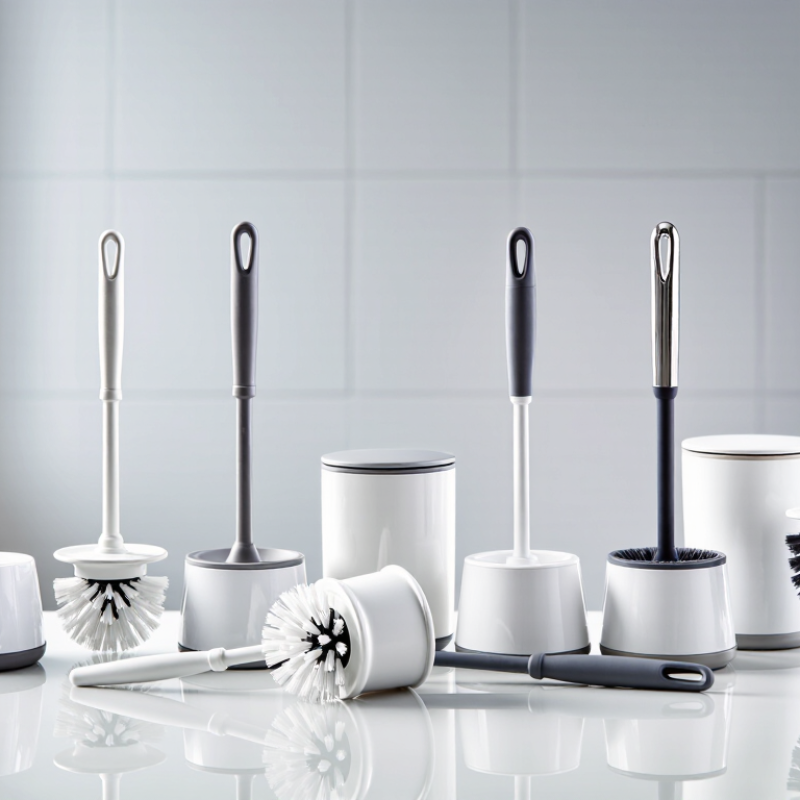
What Toilet Brushes Do in Homes and Commercial Restrooms
A toilet brush removes residue from the bowl’s curved sides and beneath the rim, where a cloth may not reach easily. Its bristles loosen marks when paired with a suitable toilet cleaner and steady, gentle pressure. At home, this helps keep routine cleaning manageable between deeper bathroom cleanings. A few strokes around the waterline can make a visible difference. Not magic.
The holder matters too. A brush left wet in a closed container can develop unpleasant odors, so let it drain and dry between uses. In commercial restrooms, brushes support frequent cleaning during busy shifts, especially when staff follow a consistent checklist. Separate tools for different restroom areas can help prevent cross-contamination. A brush with a comfortable handle and durable bristles may also be easier to use repeatedly. Still, replacing worn or frayed bristles is easy to overlook. Regular inspection helps keep the tool effective and the cleaning routine more dependable.

Common Toilet Brush Types and Their Design Features
Toilet brushes differ in head shape, stiffness, and storage—not just appearance. Traditional nylon bristles scrub dried residue well, but narrow gaps can trap debris and stay damp. Silicone-style heads often rinse clean more easily, though their softer edges may struggle with stubborn buildup. Shape matters.
Angled heads reach beneath the rim, while compact heads fit around tight bowls. For homes, a ventilated holder can help the brush dry between uses; closed holders look tidier but may retain moisture.
Wall-mounted designs keep the floor clear, a practical detail in busy shared bathrooms. Disposable-head systems reduce brush storage, but create recurring waste and require replacement supplies.
In commercial washrooms, durability and quick cleaning matter more than a sleek profile. The CDC’s 2003 Guidelines for Environmental Infection Control in Health-Care Facilities describe daily cleaning as a baseline for many patient-care surfaces, with schedules adjusted to risk. That frequency makes easy-to-rinse heads and removable holders useful design choices. A brush still needs routine inspection; a frayed head is not magically hygienic. The awkward truth: no design replaces proper cleaning and drying.
How to Choose a Brush for Different Cleaning Needs
Choosing a toilet brush starts with the bowl, not the shelf. A narrow, tapered head can reach beneath the rim and around the drain opening. For older bowls with stubborn mineral marks, firm nylon bristles often provide more scrubbing pressure. Silicone heads flex easily and tend to release debris with a rinse, though they may feel less effective on dried residue. No single style suits every toilet.
Handle length and storage matter, too. A longer handle keeps hands farther from the bowl, while a textured grip is easier to control when wet. Grip matters. In busy homes or shared restrooms, choose a sturdy handle and a holder that catches drips without trapping a pool of water. A brush that stays damp can develop an unpleasant smell. Rinse it after use, then let it air-dry before storing it. Replace a brush when bristles bend, the head loosens, or cleaning takes noticeably more effort. I used to focus on head shape alone; storage turned out to be just as important.
Suggested Toilet Brush Head Width by Cleaning Need
Typical suggested head-width ranges (cm) for different toilet-cleaning needs. These are practical guidelines, not measurements of specific products.
Compact heads can help reach narrow spaces, while a wider head may cover more of the bowl with each pass. Check the bowl shape and available storage space before choosing a brush.
Ten Toilet Brushes Compared for Performance and Value
Comparing ten toilet brushes means looking beyond bristle count. A compact round head can reach beneath the rim, while a tapered head may clean narrow gaps more easily. Flat silicone fins rinse quickly, but they may struggle with dried residue. Traditional nylon bristles often scrub more firmly. They can also hold water. Small trade-off.
Handle length and grip affect comfort during routine cleaning. A non-slip handle helps when hands are wet, while a heavier handle can feel tiring in a small bathroom. The holder matters just as much. Open designs allow faster drying, but may look less tidy beside a guest toilet. Covered holders conceal the brush, though trapped moisture can linger. Check whether the base has drainage or a removable insert.
For value, consider replacement heads, build quality, and how quickly the brush dries—not only its purchase price. A basic brush may suit a seldom-used powder room; a busy household or workplace may benefit from a sturdy handle and replaceable head. That sounds obvious, but storage often gets overlooked. I may be giving drying time too much weight; still, a damp brush is unpleasant to return to its holder. Compare cleaning reach, rinse-off, grip, and storage together, since no single design excels at everything.
How to Use, Clean, and Replace Toilet Brushes Safely
Before scrubbing, wear reusable or disposable gloves and keep the brush away from towels and handwashing supplies. Work slowly under the rim; fast strokes can send droplets onto nearby surfaces. Keep it simple. CDC’s 2022 healthcare-associated infection report estimates that about 1 in 31 hospital patients has an infection on a given day. That figure is not about toilet brushes, but it underscores why shared washrooms need consistent cleaning. After use, follow the disinfectant label, including its stated contact time, and never mix cleaning products.
Let it dry. Allow the brush to drip into the bowl, then place it in a ventilated holder rather than trapping it wet in a closed container. Clean and disinfect the holder regularly, following the product label and workplace procedures. The U.S. Environmental Protection Agency advises users to follow disinfectant labels for safe, effective use. Replace a brush when its bristles are bent, shedding, or difficult to clean, or when its handle is cracked. There is no universal replacement interval; usage, condition, and the holder’s cleanliness matter. In busy restrooms, a quick visual check each day is practical, though it can be missed during rushed shifts. Keep the brush and its holder dedicated to the toilet.
10 Best Toilet Brushes for Homes and Businesses - How to Use, Clean, and Replace Toilet Brushes Safely
| Brush type | Typical size and materials | Best suited for | How to use | Cleaning and replacement |
|---|---|---|---|---|
| 1. Standard nylon round brush | About 35–40 cm overall; nylon bristles with a plastic or coated handle. | Everyday home bathrooms and general cleaning. | Apply toilet cleaner as directed, scrub below the waterline and around the bowl, then flush according to the cleaner’s instructions. | Rinse after use and let it air-dry in a ventilated holder. Replace when bristles are bent, worn, or difficult to clean; typically every 3–6 months. |
| 2. Silicone-head brush | Often 35–40 cm long; flexible silicone head and plastic or stainless-steel handle. | Bathrooms where a quick-rinsing head and easy-to-clean surface are priorities. | Use gentle pressure around the bowl and rim; check that the head reaches the area beneath the rim. | Rinse thoroughly and air-dry. Replace if the head cracks, loosens, or no longer cleans effectively. Follow any care instructions for the handle and holder. |
| 3. Replaceable-head brush | Usually 35–40 cm long; reusable handle with a detachable nylon or other compatible head. | Homes and workplaces seeking to replace the worn cleaning head separately. | Attach the head securely before cleaning; remove it only as directed by the product instructions. | Replace the head when worn or soiled beyond cleaning. Clean and dry the handle before fitting a new head; dispose of used heads according to local guidance. |
| 4. Disposable-head brush system | Reusable handle, commonly around 35–40 cm, with single-use cleaning heads. | Occasional use or settings where storing a used brush head is undesirable. | Use a compatible head and follow its directions. Never flush a cleaning head unless its label explicitly says it is safe to do so. | Discard each used head as directed, usually in the waste bin. Wipe the reusable handle as instructed and replace it if damaged. |
| 5. Angled-neck brush | Typically 35–40 cm long; shaped neck with nylon or silicone bristles. | Toilet bowls with a deep rim or hard-to-reach contours. | Guide the angled head beneath the rim and around the bowl without forcing it against the ceramic. | Rinse all sides of the head and let it dry fully. Replace if the neck becomes loose or the bristles deform. |
| 6. Compact short-handle brush | Often 20–30 cm long; small plastic handle with a compact nylon head. | Small bathrooms, secondary toilets, or limited storage areas. | Wear disposable gloves and keep hands clear of the bowl; scrub with controlled strokes and avoid splashing. | Rinse and dry in a ventilated holder. Replace when the head is worn or the handle is cracked; keep it separate from other cleaning tools. |
| 7. Long-handle ergonomic brush | Commonly 40–50 cm long; extended handle with nylon or silicone head. | Users who prefer extra reach or want to keep their hands farther from the bowl. | Hold the handle securely and use gentle strokes; do not lean heavily on the handle or use it as a support. | Rinse and air-dry after each use. Replace the head or entire brush if the connection is loose, cracked, or worn. |
| 8. Ventilated-holder brush set | Usually a 35–40 cm brush with a draining or open-sided holder made from plastic or metal. | Bathrooms where the brush needs a dedicated storage spot with airflow. | After scrubbing, rinse the head and allow excess water to drain before returning it to the holder. | Empty and clean the holder regularly, then dry it. Replace the brush when worn; clean the holder more often in shared bathrooms. |
| 9. Wall-mounted brush and holder | Typically 35–40 cm long; wall-fixed holder with a plastic, coated-metal, or stainless-steel brush handle. | Bathrooms where keeping floor space clear makes cleaning easier. | Use like a standard brush. Check that the holder is securely installed and positioned away from frequent contact. | Clean the holder and nearby wall during routine bathroom cleaning. Replace a worn head or brush; tighten or repair a loose mount. |
| 10. Heavy-duty commercial brush | Often 35–45 cm long; sturdy handle with a dense nylon head and a durable holder. | High-use shared facilities with a documented cleaning and restocking routine. | Use with the facility’s approved toilet cleaner and follow its cleaning schedule and safety procedures. | Inspect frequently and replace promptly if bristles are damaged, the handle is loose, or the brush cannot be cleaned adequately. Store and handle it separately from other cleaning equipment. |
Safe-use reminder: Wear gloves, avoid splashing, and wash your hands after cleaning. Follow cleaner labels and never mix bleach with ammonia, acids, or other cleaning products. Brush dimensions are typical ranges and can vary by design. Replace a brush or head sooner if damaged or persistently soiled; follow the product’s care instructions.
