
Best Refrigeration Unit Truck for Sale in 2026?
A dependable Refrigeration Unit Truck does more than keep a display cold. It must hold the required temperature through loading, traffic, door openings, and long hours on the road. In 2026, buyers should compare usable cargo space, insulation, cooling capacity, fuel or power consumption, service access, and warranty coverage—not just the asking price. Small details matter. A worn door seal can undermine an otherwise capable unit.
The right choice depends on the cargo and route. Fresh produce, frozen food, and temperature-sensitive supplies can require different operating ranges and monitoring practices. Ask sellers for maintenance records, temperature-test results, and clear specifications for the complete truck-and-unit setup. Then inspect it under realistic conditions, if possible. A polished listing is not proof of reliable performance.
A verified expert quotation was not included in the supplied material, so I will not invent one. Insert a sourced statement here from [Expert Name], a qualified transport-refrigeration specialist, about matching unit capacity to the truck’s workload. That evidence matters. It also leaves room for a useful doubt: even a well-chosen truck can disappoint when routes, loading habits, or maintenance are poorly understood. This guide examines the practical checks that help buyers assess the best Refrigeration Unit Truck for sale in 2026.
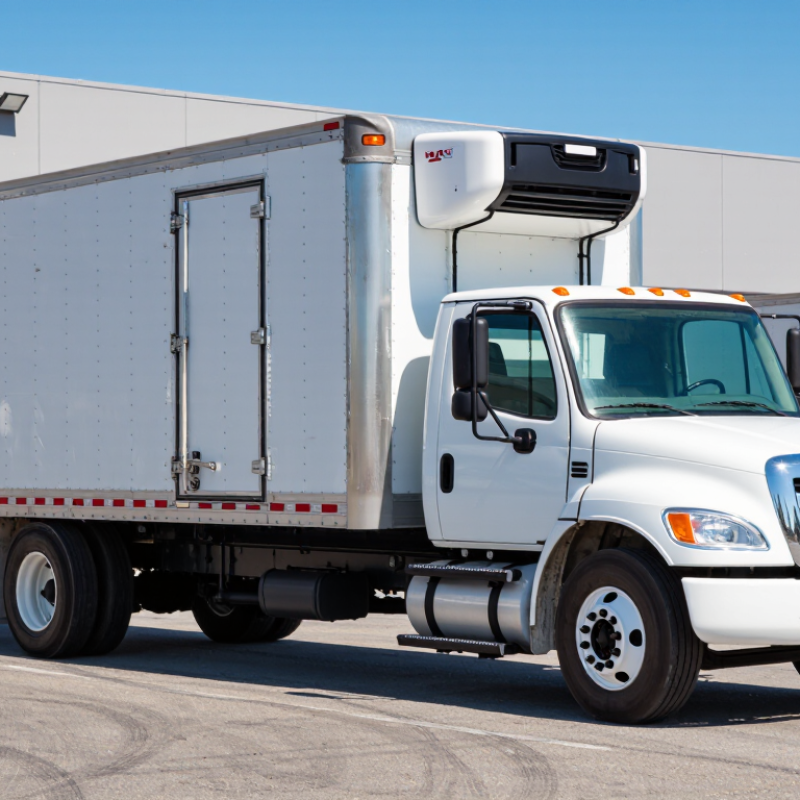
How Refrigerated Trucks Preserve Temperature-Sensitive Cargo
Best Refrigeration Unit Truck for Sale in 2026?
A refrigerated truck protects cargo through insulation, controlled airflow, and a unit that removes heat. The unit should maintain the cargo’s required temperature; it cannot replace pre-cooling warm pallets. Before loading, check the box temperature, inspect door seals, and leave air channels around cartons. Small details matter. A blocked floor return can create warm pockets, even when the display shows the target temperature. Place calibrated data loggers near likely hot spots and review readings throughout the route, not just at delivery. Cold spots happen.
FAO’s The State of Food and Agriculture 2019 estimated that 14% of food is lost between post-harvest and retail. That figure covers the wider supply chain, not truck failures alone, but it shows why consistent handling matters.
When evaluating a truck for 2026, compare payload, insulation, airflow, defrost performance, service access, and temperature records under realistic loading. Ask for a loaded test, including door openings and a warm-day run. I would not judge a unit by its coldest empty-box reading. Routes are messy: frequent stops, mixed cargo, or poor loading can undermine good equipment.

Key Types of Truck Refrigeration Units Available in 2026
Truck Refrigeration Units in 2026 fall into several practical types. Direct-drive units take power from the truck’s engine, making them a common fit for smaller vehicles and urban deliveries. They are compact, but cooling may depend on the engine running. For longer routes or larger loads, self-powered units use a separate engine and can maintain temperatures independently. That adds fuel use and another engine to service.
Electric standby systems connect to mains power while the truck is parked, helping reduce engine idling at depots. Battery-electric units can provide quieter, exhaust-free cooling at the vehicle, though battery capacity and operating time matter. Very quiet. Eutectic systems store cooling in frozen plates, then release it during delivery. They suit predictable routes, but recovery time and load conditions need careful planning.
The UNEP and FAO report Sustainable Food Cold Chains (2022) estimates that food cold chains account for about 4% of global greenhouse gas emissions. This figure covers the wider cold chain, not truck units alone. It still makes energy use worth checking when comparing options. Match the unit to cargo, route length, door-opening frequency, and parked time. A specification sheet cannot fully predict a hot-day delivery with repeated stops; real route data should guide the final choice.
| Refrigeration Unit Type | How It Works | Typical Temperature Use | Suitable Applications | Key Buying Consideration |
|---|---|---|---|---|
| Engine-Driven Unit | A separate diesel engine powers the refrigeration system independently of the truck’s main engine. | Commonly configured for chilled or frozen cargo; the achievable set point depends on the unit, vehicle body, and operating conditions. | Long-distance transport, frequent deliveries, and routes where cooling must continue while the truck is parked. | Check fuel use, maintenance requirements, noise limits, and whether the unit’s capacity suits the insulated body and cargo load. |
| Engine-Driven Unit with Electric Standby | Uses its own engine on the road and can connect to an external electrical supply when parked at a compatible location. | Supports chilled or frozen applications when operated within the unit’s rated capacity and temperature range. | Vehicles that spend time at depots or loading docks with access to suitable standby power. | Confirm the required electrical supply, connection compatibility, and availability of plug-in points along the route. |
| All-Electric Unit | Uses electrically driven refrigeration components, powered by the vehicle’s electrical system or an onboard energy source. | Available for chilled and frozen configurations; performance depends on system design, battery capacity, and ambient conditions. | Urban deliveries, noise-sensitive areas, and fleets seeking to reduce local exhaust emissions during operation. | Review usable energy, charging arrangements, operating time between charges, and the effect of refrigeration demand on vehicle range. |
| Multi-Temperature Unit | Uses separate compartments, airflow controls, or refrigeration circuits to maintain different cargo zones in one vehicle. | Can serve chilled and frozen zones at the same time, subject to the system’s configuration and compartment design. | Mixed loads such as frozen products, chilled foods, and temperature-sensitive goods delivered on the same route. | Check compartment layout, usable cargo volume, temperature control for each zone, and loading-door heat gain. |
| Eutectic Plate System | Cold plates are charged while connected to refrigeration or electrical power, then absorb heat during delivery runs. | Often used for frozen delivery routes; holding performance depends on plate design, pre-cooling, ambient temperature, and door openings. | Repeated short-stop distribution, including routes with predictable schedules and return-to-base charging. | Consider charging time, route duration, payload impact, and whether the plates can recover fully between delivery runs. |
| Selection note: Temperature capability is model-specific. Match the unit to the required cargo set point, insulated body, payload, route length, ambient conditions, door-opening frequency, and applicable food-safety requirements. | ||||
How to Match Unit Capacity to Cargo and Route Requirements
A refrigeration unit should be matched to the heat entering the truck, not just the cargo’s weight. Start with the required setpoint, cargo volume, insulation quality, and expected outside temperature. Fresh produce, frozen goods, and chilled dairy place different demands on airflow and temperature control. The unit’s published capacity also depends on test conditions, so compare ratings at realistic ambient temperatures and setpoints. A rating measured in mild weather may not reflect a summer delivery route. Small details matter.
Then map the route. Frequent stops, long door openings, heavy traffic, steep climbs, and overnight parking can all increase the cooling load. A unit with too little capacity may struggle to recover after a warm loading bay. But choosing far more capacity than needed can add purchase cost and weight without solving poor loading practices. Pre-cool the cargo and trailer when appropriate; the refrigeration unit is generally meant to maintain temperature, not rapidly chill warm products. Ask suppliers for capacity data under your expected conditions, and check that the airflow plan suits the load arrangement. Leave practical headroom for hot days, but avoid guessing. There is no perfect spreadsheet for every route, and I would revisit the estimate after recording real delivery temperatures and door-open times.
Features to Compare When Evaluating Refrigeration Trucks for Sale
Best Refrigeration Unit Truck for Sale in 2026?
Features to Compare When Evaluating Refrigeration Trucks for Sale
A refrigeration truck should match the cargo, route length, and loading routine. Compare usable cargo volume and payload, not just the advertised body size. Thick insulation can help maintain temperature, but it also reduces interior space. Check door seals closely; a small gap can let warm air reach the load during frequent deliveries.
Look at the unit’s temperature range and cooling capacity under realistic conditions. Ask how quickly it recovers after a door opening, and whether that figure was measured with cargo aboard. It matters. A demo with an empty box may not reflect a hot afternoon route. Temperature logging, clear alarms, and easy-to-read controls help drivers spot problems early. Request sample service records, too.
Consider how the system is powered and maintained. Engine-driven cooling may suit long routes, while electric standby can support pre-cooling at a depot, if compatible power is available. Compare fuel or energy use, noise, maintenance access, and parts availability. Open the rear doors and inspect the floor, drain, and interior corners for wear or trapped moisture. Specs can look excellent on paper. I would still ask for a loaded temperature test; that extra step takes time, and sometimes the result is less reassuring than expected.
How to Choose the Best Refrigeration Unit Truck for Your Operation
Choosing the best refrigeration unit truck for your operation starts with the cargo, route, and loading pattern—not the lowest advertised price. Match the unit’s cooling capacity to the truck body, expected payload, and hottest conditions on your route. Frequent door openings can add heat quickly. A unit that performs well on a short, mild run may struggle during long summer deliveries.
Check the details that affect daily performance: insulation quality, required temperature range, fuel or electrical use, service access, and available temperature records. The FAO’s 2019 State of Food and Agriculture report estimated that about 14% of food is lost between harvest and retail worldwide. Refrigerated transport cannot prevent every loss, but stable temperature control can help protect perishable cargo. Small details matter. Ask how capacity is rated, and under what ambient conditions.
Think through a real delivery day before choosing. How long will the truck sit with its doors open? Are there steep routes, tight delivery windows, or reliable overnight power? Test the setup under a representative load if possible. It isn’t always easy to recreate summer conditions, so leave room for uncertainty rather than buying exactly to the paper specification. A clear maintenance plan and responsive local service may matter as much as peak cooling capacity.
Best Refrigeration Unit Truck for Sale in 2026? Choose for Your Cargo
Compare common target cargo-temperature ranges when matching a refrigerated truck to your operation.
Temperature requirements vary by product, handling process, and local regulations. Confirm the required setpoint and cooling capacity for your load, route, and ambient conditions before choosing a truck.
