
What Is the Best Modular Sofa to Buy?
Choosing the best Modular Sofa is less about finding one universally perfect model and more about matching a sofa to your room, routine, and budget. Grand View Research estimated the global modular furniture market at USD 46.3 billion in 2023, reflecting broad demand for adaptable furnishings. That figure covers modular furniture, not sofa satisfaction or durability. Market growth alone cannot tell you which sofa to buy.
A useful comparison starts with details you can verify. Measure the doorway, stairwell, and intended layout before ordering. Then check the frame materials, connector design, cushion construction, upholstery cleaning instructions, and replacement-part availability. A showroom display may feel supportive, but the same model can feel different after months of daily use. Look for clear warranty terms and return conditions, not just polished product photographs. Independent reviews can add context, though they may reflect different body types, homes, and expectations.
This guide compares modular sofas by comfort, build quality, flexibility, and practical ownership costs. It also considers whether sections stay aligned, whether covers can be cleaned, and whether the configuration can change without buying a new sofa. The best choice depends on your space and habits. There is no magic configuration. Even careful research cannot remove every uncertainty, especially when buying online.
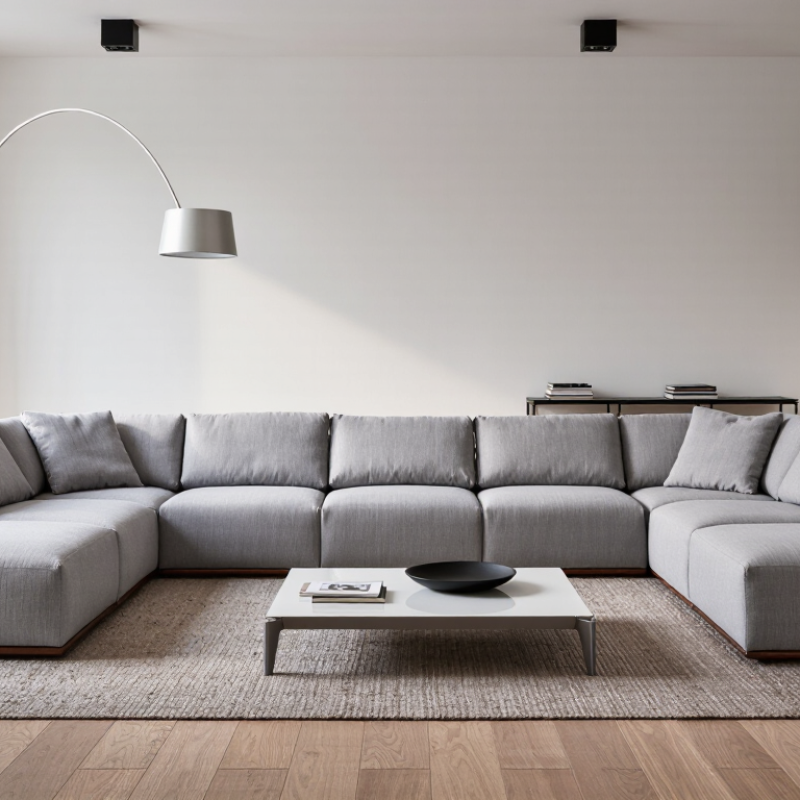
What a Modular Sofa Is and How Its Components Work
A modular sofa is built from separate pieces that connect to form a larger seat. Instead of one fixed frame, it may include armless seats, end units, corner sections, and an ottoman. Arrange them as a straight sofa, an L-shape, or separate seats. The exact options depend on the system. Some pieces look interchangeable but use different connectors.
Connections affect how the sofa feels day to day. Clips, brackets, or locking hooks can help sections stay aligned when people sit down or shift position. Check how they attach and whether you can reach them without lifting a heavy unit. A gap between sections can be annoying. That matters. Seat cushions and covers also vary: some lift off for cleaning, while others are fixed or need careful matching when rearranged.
Before buying, measure the room, doorways, and the path from the entrance to the sofa’s final spot. Sketch the layout with the dimensions of each module, including space for walking around it. Then check whether the chosen arrangement needs extra corner pieces or connectors. Modular designs offer flexibility, but moving parts around is not always effortless, especially on thick rugs. The compromise is real: a setup that adapts well may have more visible seams. Decide which trade-off you notice less.

Which Features Matter Most When Choosing a Modular Sofa
A modular sofa is a good fit when your room or routine may change. The best choice is not simply the one with the most pieces. Check how securely the sections connect, and whether you can rearrange them without lifting heavy frames. Firm connectors help prevent gaps when people sit down. Also check whether extra modules remain available in matching upholstery.
Tips: Measure doorways, stair turns, and the sofa’s full footprint before ordering. Use masking tape to mark its shape on the floor. Leave room to walk around it. Small measurement mistakes are easy to make.
Comfort and care matter just as much as layout. Sit on the sofa for several minutes, if possible, and notice whether the seat depth supports your legs. Ask what the cushions are made of and whether their covers can be removed for cleaning. Durable fabric may handle daily use better, but it can feel less soft. No option gets everything right. Consider which trade-off you will notice most in your own home.
What Is the Best Modular Sofa to Buy?
Compare common planning ranges for key sofa dimensions. Use them as starting points, then check the exact product measurements and your room layout.
What matters most: Choose seat dimensions that feel comfortable, modules that fit your room and delivery route, and connectors that keep sections securely together. Removable, washable covers can also make everyday care easier. Dimension ranges are general shopping guides, not universal standards.
How Sofa Layout, Size, and Materials Affect Everyday Use
What Is the Best Modular Sofa to Buy?
The best modular sofa fits your room and daily habits, not just a showroom layout. Measure the doorway, stair turns, and final footprint before choosing modules. A chaise can make movie nights comfortable, but it may block a walkway in a narrow living room. Leave enough space to pass without turning sideways. A little extra measuring saves hassle later.
Think about how the sofa will be used. Deep seats suit lounging, while firmer, shallower seats may feel easier for upright conversations. Upholstery matters, too. Tightly woven fabrics can be practical in busy homes, while removable covers make small spills less stressful. Leather-like surfaces wipe clean, but they can feel cool or sticky depending on the room. I used to focus on appearance first; that often meant overlooking comfort and care.
Tips: Mark the sofa’s outline on the floor with tape. Sit on a similar seat depth if possible. Check how modules connect, and ask whether covers can be replaced. Perfect layouts are rare; choose one you can adjust when your needs change.
How to Compare Comfort, Durability, and Price
A good modular sofa is not defined by its piece count, but by how it fits your room and supports your body. Sit for at least ten minutes, if possible; a quick showroom perch can hide shallow seats or firm edges. Check seat depth, back support, and whether cushions regain their shape after you stand. A soft first impression may not feel comfortable through a whole evening. That matters.
For durability, inspect the frame, seams, cushion filling, and connectors between modules. Ask whether covers can be removed and cleaned, and check the care instructions before buying. Measure doorways and the intended layout, too; one extra module can make a small room feel cramped. Compare the full price, including delivery, extra sections, and replacement covers. The lowest starting price may not stay lowest. I’d still treat online reviews cautiously: people use sofas differently, and photos rarely show long-term sagging.
Tips: Mark the sofa’s footprint on the floor with painter’s tape. Sit, stretch, and lie down in your usual positions. Check connector stability by gently shifting the sections. Keep a little budget aside for care or a future module.
What Is the Best Modular Sofa to Buy? — How to Compare Comfort, Durability, and Price
Compare common modular sofa types by construction, comfort, upkeep, and typical cost. The best choice depends on how you use your sofa, your room, and your budget.
| Sofa Type | Typical Price Range* | Common Construction | Comfort Profile | Durability Considerations | Main Trade-Off | Best Suited To |
|---|---|---|---|---|---|---|
| Entry-level fabric modular | $1,200–$2,500 | Polyester or blended upholstery; engineered-wood frame; standard foam cushions. | Usually medium-firm, with a straightforward seat depth and a more upright feel. | Performance varies by fabric, frame joints, and cushion density. Cushions may soften or lose shape sooner with frequent use. | Lower initial cost, but fewer fabric, cushion, and configuration choices are common. | First apartments, occasional use, and shoppers with a limited budget. |
| Mid-range performance-fabric modular | $2,500–$4,500 | Sturdier frame construction; higher-quality foam, sometimes with fiber or feather blend; stain-resistant fabric options. | Often available in medium or soft feels, with more seat-depth and module choices. | Removable covers and abrasion-resistant fabrics can help with regular use. Cushion support and cleaning instructions still matter. | Costs more than entry-level models, and some covers may require professional cleaning. | Everyday family seating and homes where easy-care upholstery is a priority. |
| Premium supportive fabric modular | $4,500–$8,000 | Often includes a hardwood or reinforced frame, higher-resilience foam, and a wider selection of upholstery and modules. | More options for seat depth, firmness, and lounging layouts; supportive cushions may retain their feel longer. | Strong construction can support long-term use, but durability still depends on joinery, fabric wear, and cushion care. | Higher purchase price; larger configurations can add substantially to the total. | Frequent use, long-term ownership, and buyers who want a configurable layout. |
| Leather modular | $5,000–$10,000+ | Leather upholstery over a wood or reinforced frame; cushion construction varies by model and price tier. | Can feel firm at first and soften with use. Leather may feel cool initially and warm up with room temperature. | Quality leather can age well with appropriate care, but it can scratch, fade, or dry out; direct sunlight and heat may accelerate wear. | Higher cost and regular care; surface marks may be more visible than on textured fabric. | Buyers who prefer leather’s appearance and are comfortable with its care requirements. |
*Approximate U.S. retail ranges for a typical four- to five-seat modular setup, before tax and delivery. Prices vary by materials, configuration, and retailer. For a fair comparison, check seat depth, cushion-fill details, frame construction, removable-cover availability, return terms, and the cost of adding modules.
How to Choose a Modular Sofa for Your Space and Needs
A modular sofa works best when its shape fits your room and routines, not just a showroom floor. Grand View Research’s 2024 Modular Furniture Market report estimated the global market at $58.5 billion in 2023, with projected annual growth of 6.4% through 2030. That growth reflects interest in adaptable furniture, but popularity alone does not guarantee a good fit. Measure the room, doorway, stairwell, and elevator before choosing modules. Mark the sofa’s footprint with tape, then leave clear paths to doors and windows. Small details matter.
Next, match the configuration to everyday use. A chaise suits someone who likes to stretch out; separate corner pieces can make conversation easier in a larger room. Check the connector system, cushion covers, and whether extra modules remain available if your needs change. For pets or frequent spills, compare fabric-cleaning instructions and replacement-cover options. If you often move, lighter sections may be easier to carry. Even careful measuring can miss how bulky a corner module feels in a tight hallway. Sit on comparable cushions before ordering, and check the return terms. Comfort is personal.
