2026 Best Light Bulbs for Energy Efficiency and Brightness?
In today’s world, energy efficiency is more critical than ever. Light bulbs play a significant role in reducing energy consumption. According to the U.S. Department of Energy, lighting accounts for approximately 15% of residential electricity use. Consumers are increasingly seeking options that offer both brightness and efficiency.
Daniel Green, an industry expert at the Lighting Research Center, states, "Choosing the right light bulbs can drastically reduce energy costs while enhancing home comfort." This emphasizes the dual importance of energy savings and adequate illumination. Many consumers struggle to select suitable light bulbs. With various types on the market, choices can be overwhelming.
LEDs, for example, are known for their longevity and low energy use. However, some consumers still prefer traditional incandescent bulbs, often overlooking their inefficiency. It's essential to weigh the pros and cons carefully. The quest for the best light bulbs is not just about brightness; it’s also about making informed decisions. Recognizing what fits personal needs and environments is vital for achieving optimal results.
Types of Light Bulbs and Their Energy Efficiency Ratings
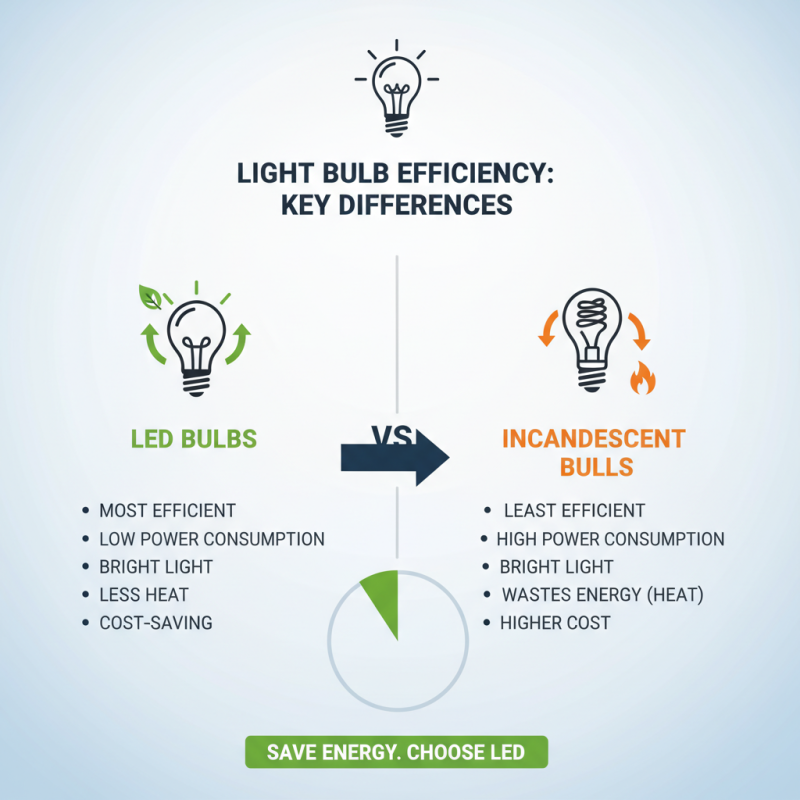
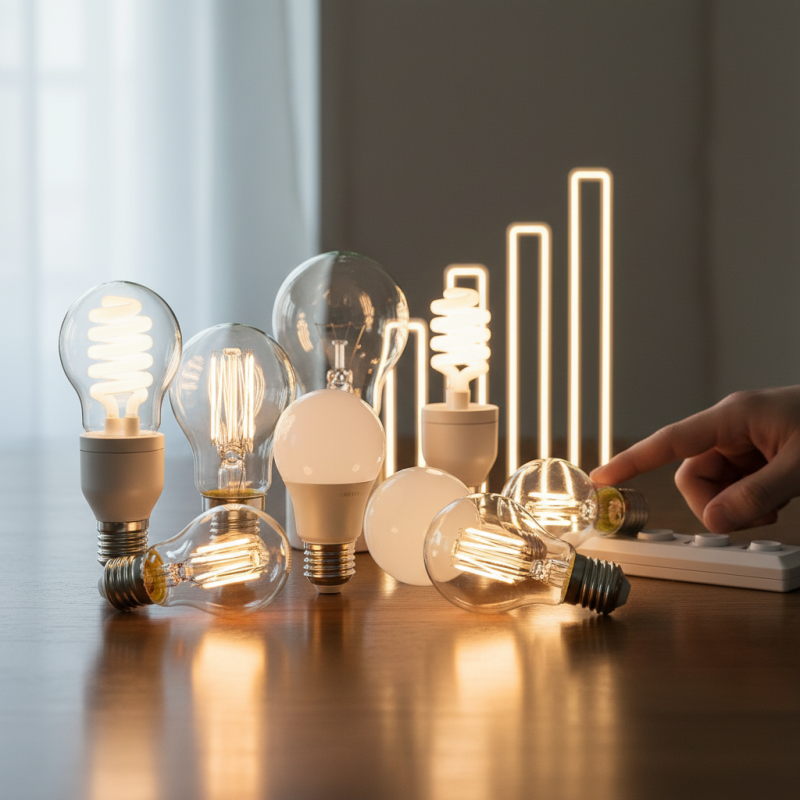
When it comes to light bulbs, efficiency is key. Different types offer varied energy ratings. LED bulbs are the most efficient, consuming less power while providing bright light. Incandescent bulbs, on the other hand, use much more energy. They generate a lot of heat, which wastes energy. As a result, their brightness often comes at a higher cost.
CFL bulbs are another option. They are more efficient than incandescent bulbs but less so than LEDs. Many people still use them, thinking they are saving energy. However, they may not last as long as advertised. This can lead to more replacements, which is not as efficient as it seems.
Consider your lighting needs carefully. The right bulb can greatly impact your energy bill. It’s worth investing time in understanding your choices. Brightness shouldn't sacrifice efficiency or vice versa. Make a mindful choice.
Factors Affecting Brightness and Energy Consumption in Light Bulbs
When selecting light bulbs, brightness and energy efficiency greatly depend on various factors. The type of light bulb is crucial. Incandescent, CFL, and LED bulbs vary in how they produce light and consume energy. Incandescent bulbs typically emit warm light but are less energy-efficient. They waste much energy as heat. This inefficiency can be disappointing for users aiming to save on electricity bills.
In contrast, LED bulbs are known for their longevity and low power consumption. They produce bright light while using significantly less energy. This energy efficiency often leads to a higher initial cost, which may require reflection. The color temperature and lumen output also influence brightness. Higher lumens mean brighter light, but that can also impact energy use. Striking a balance between light quality and energy consumption often requires careful consideration. Many people overlook these details, leading to regret later when they see their electricity bills.
Top Recommended Light Bulbs for Home Use in 2026
As we look ahead to 2026, energy-efficient light bulbs are becoming increasingly essential for home use. The right bulb can greatly impact both your energy bills and your home's brightness. According to recent studies, LED bulbs have emerged as the most efficient option, using up to 80% less energy than traditional incandescent bulbs. They also last significantly longer, often exceeding 25,000 hours of use.
However, choosing the right brightness level is crucial. For instance, a bulb's lumen rating indicates its brightness. Many homeowners still struggle with this. A bulb that emits 800 lumens is typically bright enough for general room lighting. Yet, you may find some areas in your home need more illumination, like kitchens or offices. Finding balance is key, as too much brightness can lead to discomfort.
The color temperature also plays a role in creating the desired ambiance. Bulbs with a warm white tone are ideal for living spaces, while cool white or daylight bulbs work well in task-oriented areas. While it’s clear that options exist, many consumers still feel overwhelmed by choices. Reflecting on personal lighting needs is vital. What works for one household may not suit another. Make informed decisions to optimize energy efficiency without sacrificing brightness.
Comparing LED, CFL, and Incandescent Bulbs for Energy Savings
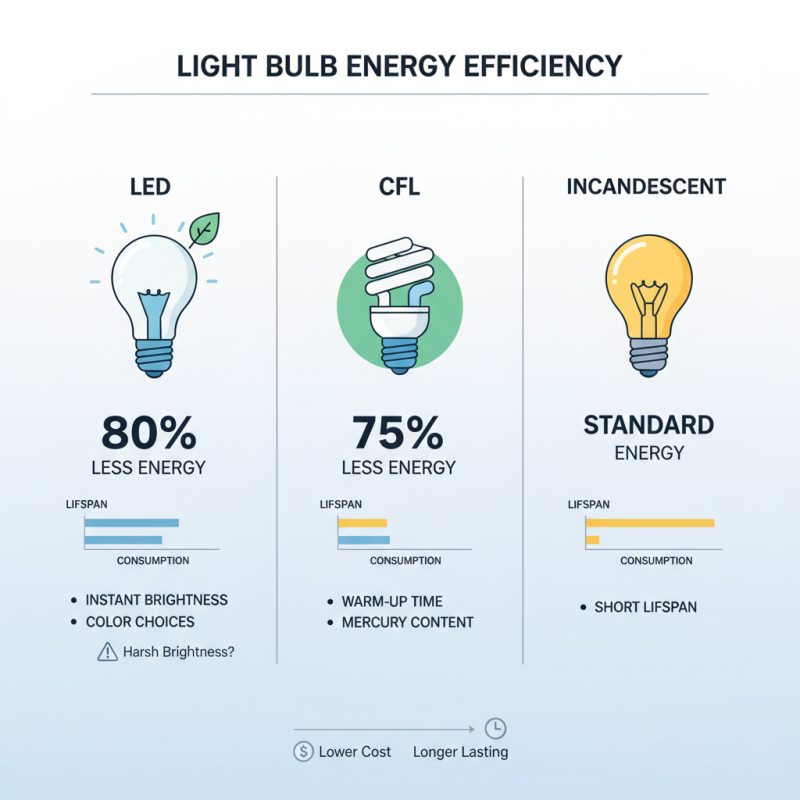
When considering energy efficiency, three types of light bulbs stand out: LED, CFL, and incandescent. LEDs are often celebrated for their low energy consumption and long lifespan. In fact, they use up to 80% less energy than incandescent bulbs. Their brightness is instantly noticeable but can vary by model. While many find LEDs to provide excellent lighting, some users struggle with harsh brightness and color temperature choices.
CFLs, or compact fluorescent lights, offer a solid middle ground. They consume less energy than incandescent bulbs but aren't quite as efficient as LEDs. Some people appreciate their softer glow but find them slow to reach full brightness. Moreover, the flickering effect during warm-up can be a drawback for certain applications. Their lifespan also tends to be shorter than LEDs, which raises questions about overall value.
Incandescent bulbs are familiar but least energy-efficient. They give a warm and pleasant light that many love. However, their high energy use and shorter lifespan make them less appealing. The constant need for replacements can be frustrating. Ultimately, each type of bulb has its pros and cons, making it essential to consider personal preferences and usage situations.
Future Trends in Light Bulb Technology and Energy Efficiency
The future of light bulb technology emphasizes energy efficiency and brightness. Innovations are set to continue, with LED technology leading the charge. According to the U.S. Department of Energy, transitioning to LEDs can save up to 80% on energy costs compared to traditional incandescent bulbs. These bulbs use less power while emitting the same amount of light.
As we look ahead, smart lighting systems are becoming more popular. These systems adapt to user needs, allowing for personalized brightness and energy savings. The same report noted that smart bulbs could potentially save an additional 30% in energy usage. This adaptability reflects a growing trend towards sustainability and user-centric design in lighting solutions.
Tips: When choosing light bulbs, consider energy ratings. Look for bulbs with high lumens per watt. This helps ensure maximum brightness with minimal energy use. Testing new technologies is key. Sometimes, new bulbs may not perform as expected. A thorough evaluation can reveal hidden inefficiencies.
2026 Best Light Bulbs for Energy Efficiency and Brightness
This chart illustrates the energy efficiency of different types of light bulbs available in 2026. As shown, LED bulbs are the most energy-efficient option, using only 60 kWh per year, compared to 300 kWh for CFL and Halogen bulbs, and 900 kWh for traditional Incandescent bulbs.